★★☆☆☆ Difficulty
At a Glance
| Time to Harvest | 70-120 days, depending on variety |
|---|---|
| Sun | Full sun |
| Water | 1-2 inches per week, consistent moisture |
| Good For | Containers ✓ Raised Beds ✓ In-Ground Gardens ✓ |
Quick Reference
| Sun | Full sun (6+ hours per day) |
|---|---|
| Spacing | 12 inches apart, rows 2-3 feet apart |
| Planting Depth | 3-4 inches, then hilled as plants grow |
| Days to Harvest | 70-120 days, depending on variety and conditions |
| Watering | 1-2 inches per week; inconsistent watering causes knobby tubers |
| Soil pH | 5.0-6.5 |
| USDA Zones | Grown as an annual in zones 1-10 |
| Average Yield | 5-10 lbs of potatoes per pound planted |
Before You Plant…
Growing potatoes successfully comes down to three things:
- Hill the soil as plants grow. Buried stems produce more tubers and prevent green, sun-exposed potatoes.
- Keep watering consistent. Irregular moisture causes knobby, cracked tubers.
- Cure before storing. A short curing period toughens the skin for months of storage.
Growing Timeline
| Week | What You’ll See |
|---|---|
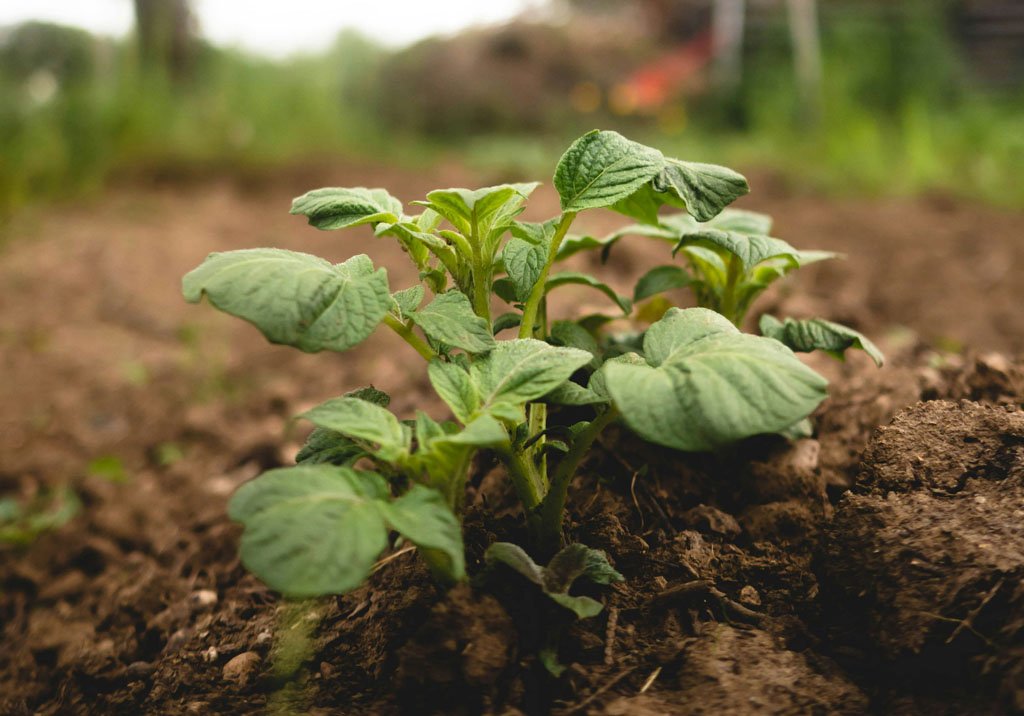
| 2-3 | Sprouts emerge from planted seed potatoes. |
| 4-6 | Foliage grows quickly; first hilling begins. |
| 8-10 | Plants flower, signaling tubers are forming underground. |
| 10-17 | Foliage yellows and dies back; potatoes are ready to harvest. |
Timing for growing potatoes varies by variety, weather, and whether you’re growing early, mid, or late-season types.
How to Plant Potatoes
Plant certified seed potatoes, cut into chunks with at least one or two eyes each, cut sides down, 3-4 inches deep and 12 inches apart in rows 2-3 feet apart. Allow cut pieces to callous over for a day or two before planting to reduce the risk of rot.
Best Planting Time
Growing potatoes successfully starts with picking the right window for your zone:
| USDA Zone | Best Planting Time |
|---|---|
| 1 | Plant in late May through early June, once soil has thawed and can be worked. |
| 2 | Plant in mid-to-late May, once soil has thawed and can be worked. |
| 3 | Plant in April through early May, 2-3 weeks before the last frost. |
| 4 | Plant in April through early May, 2-3 weeks before the last frost. |
| 5 | Plant in April, 2-3 weeks before the last frost. |
| 6 | Plant in March through April. |
| 7 | Plant in March through April. |
| 8 | Plant in February through March, or again in September for a fall crop. |
| 9 | Plant in February through March, or again in September for a fall crop. |
| 10 | Plant in fall through winter, avoiding summer heat. |
| 11 | Plant in fall through winter, avoiding summer heat. |
Local frost dates and soil temperature matter more than zone alone. Aim to plant once soil is workable and no longer waterlogged.

How to Care for Potatoes
Growing potatoes well starts with loose, well-draining soil with a pH between 5.0 and 6.5, slightly more acidic than most vegetables prefer. Full sun and consistent moisture support steady tuber development throughout the season.
The University of Minnesota Extension offers detailed guidance on variety selection and hilling technique.
Why Hilling Matters
As plants grow, mound soil or straw up around the base of the stems, covering the lower leaves, a process called hilling. This encourages more tubers to form along the buried stem and prevents developing potatoes from being exposed to sunlight, which turns their skin green and produces a bitter, mildly toxic compound called solanine.
Companion Planting
Beans, corn, and cabbage family crops are good companions when growing potatoes, since they don’t compete for the same soil nutrients. Avoid planting potatoes near tomatoes, since both are nightshades that share pests and diseases.
Can You Grow Potatoes in Containers?
Yes, growing potatoes in containers works well. Use a large container, grow bag, or barrel at least 15-20 gallons, adding soil gradually as the plant grows, the same way you’d hill an in-ground bed. Containers make harvest easy, since you can simply dump out the soil at the end of the season.
Harvesting
Harvest new potatoes a few weeks after flowering for small, tender tubers, or wait until foliage yellows and dies back for full-size, storage-ready potatoes. Dig gently with a garden fork to avoid piercing the skins.
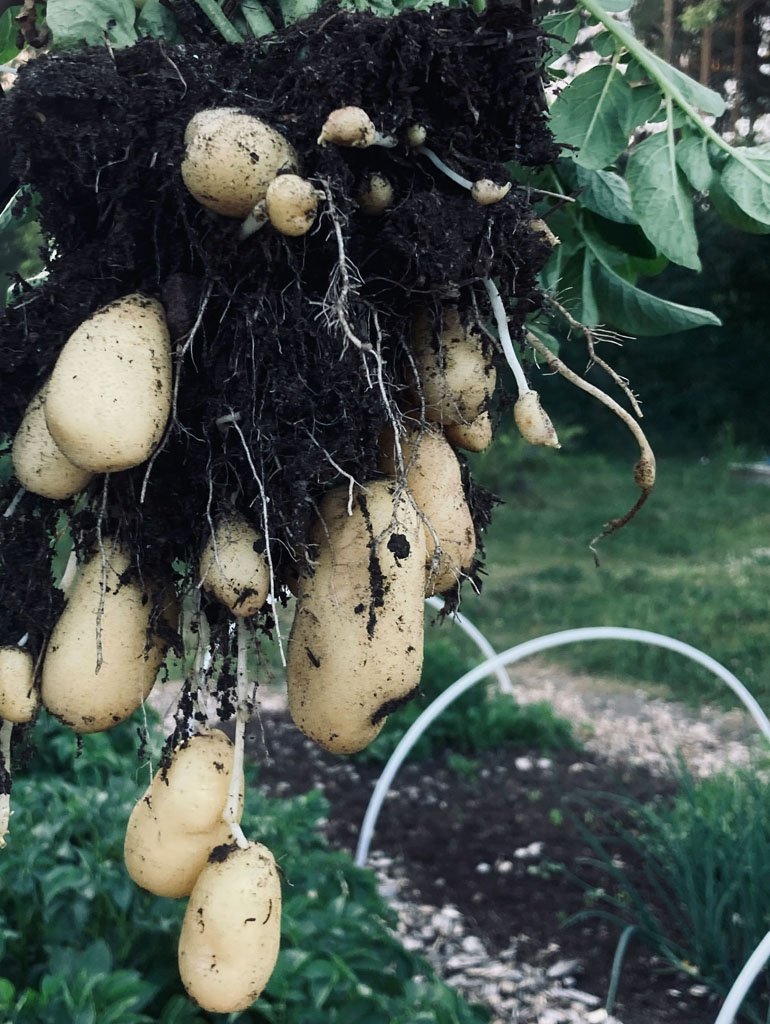
Cure freshly dug potatoes in a cool, dark, humid spot for 1-2 weeks to toughen the skin before long-term storage. Properly cured potatoes store for several months in a cool, dark location around 40-50°F.
Why Grow Potatoes?
Growing potatoes is one of the most productive things you can do in a garden, often yielding 5-10 pounds of food for every pound planted. Potatoes provide vitamin C, potassium, and fiber, especially when the skin is left on, and they store for months without any canning or freezing required.
Common Problems
Green potatoes |
Colorado potato beetles |
Knobby or cracked tubers
Colorado Potato Beetles: These striped beetles and their larvae can quickly defoliate plants. Handpick adults and larvae, and use row covers early in the season to reduce egg-laying.
Green Potatoes: Sun exposure turns potato skin green and produces solanine, a mildly toxic compound. Hill soil regularly to keep developing tubers covered, and discard any green portions before eating.
Knobby or Cracked Tubers: This is almost always caused by inconsistent watering. Keep soil evenly moist throughout the season, especially during tuber formation.
Common Beginner Mistakes
These mistakes come up again and again when growing potatoes for the first time:
- Planting grocery store potatoes instead of certified seed potatoes, which can carry disease.
- Skipping hilling, leading to green, sun-exposed tubers.
- Harvesting too early or too late relative to foliage die-back.
- Storing potatoes without curing them first, which shortens storage life.
FAQs
Q: Can I plant potatoes from the grocery store?
A: It’s possible, but grocery potatoes are often treated to prevent sprouting and may carry disease; certified seed potatoes perform more reliably.
Q: Why did my potatoes turn green?
A: Sun exposure causes greening and solanine formation; hill soil regularly to keep tubers covered.
Q: Can potatoes be grown in containers?
A: Yes, growing potatoes in a grow bag or container at least 15-20 gallons works well, adding soil as the plant grows.
Q: How long do homegrown potatoes store?
A: Properly cured potatoes store for several months in a cool, dark place around 40-50°F.
Q: When should I harvest new potatoes versus mature potatoes?
A: Harvest new potatoes a few weeks after flowering for tender, thin-skinned tubers; wait for foliage to die back for full-size storage potatoes.
Best Varieties for Beginners
Choosing the right variety makes growing potatoes easier:
Best beginner variety: Yukon Gold, a reliable all-purpose potato with buttery flavor.
Best for storage: Kennebec, known for excellent long-term keeping.
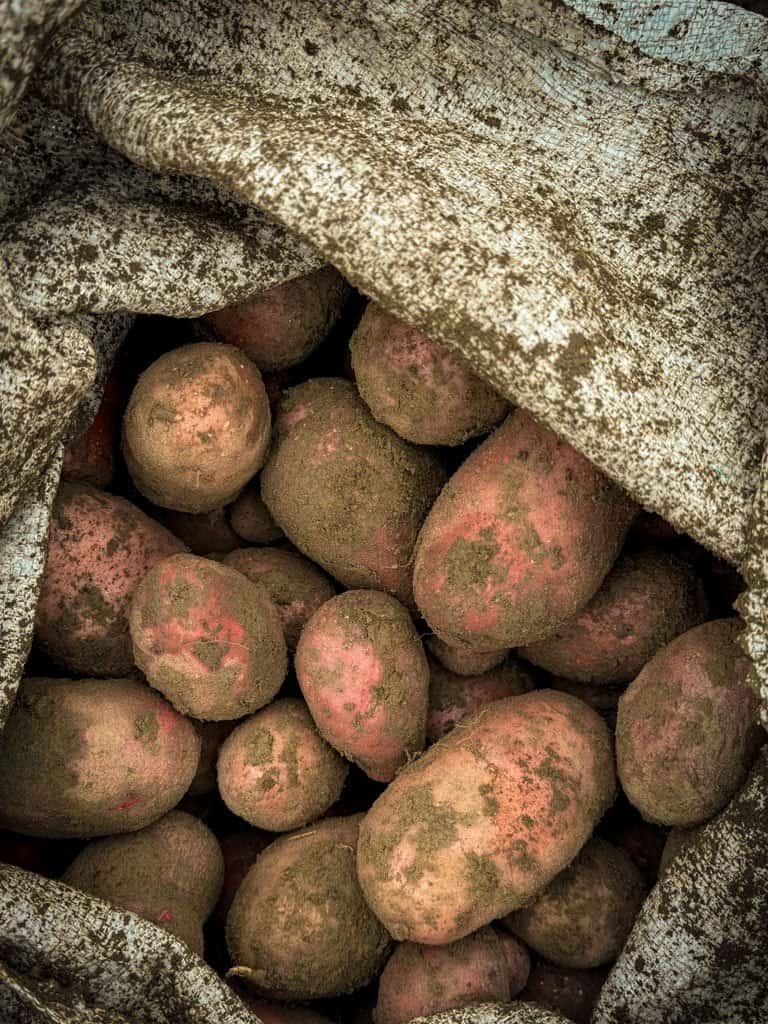
Best red-skinned: Red Pontiac, a heavy-yielding classic.
Best for containers: Fingerling varieties, compact and well-suited to grow bags.
Related Vegetables
If you’re planning your garden, check out our guides to growing carrots and growing onions.