★☆☆☆☆ Difficulty
At a Glance
| Time to Harvest | 50-65 days, with baby leaves ready sooner |
|---|---|
| Sun | Full sun to partial shade |
| Water | Keep soil consistently moist |
| Good For | Containers ✓ Raised Beds ✓ In-Ground Gardens ✓ |
Quick Reference
| Sun | Full sun to partial shade |
|---|---|
| Spacing | 12-18 inches apart |
| Planting Depth | 1/4-1/2 inch |
| Days to Harvest | 50-65 days for full plants; baby leaves in 25-30 days |
| Watering | Consistent moisture; well-watered plants produce sweeter leaves |
| Soil pH | 6.0-7.5 |
| USDA Zones | Grown as an annual in zones 1-10 |
| Average Yield | Multiple harvests per plant over the season |
Before You Plant…
Growing kale rewards patience with cold weather more than almost anything else:
- Plant for cool weather. Kale actually improves in flavor after a light frost.
- Harvest leaves individually. Picking outer leaves keeps the plant producing for months.
- Rotate away from other brassicas. Avoid planting where cole crops have grown in the past 3-4 years.
Growing Timeline
| Week | What You’ll See |
|---|---|
| 1-2 | Seeds germinate. |
| 3-4 | True leaves appear; baby leaves are ready for a light harvest. |
| 6-8 | Plant fills out with sturdy, full-size leaves. |
| 8+ | Continuous harvest as long as the plant keeps producing new growth. |
Timing for growing kale varies by variety, weather, and whether it’s a spring or fall crop.
How to Plant Kale
Sow seeds directly in the garden a quarter to a half-inch deep, or start indoors 4-6 weeks before your last frost for a head start. Space plants 12-18 inches apart, in a location where no related brassica crop has grown for at least three to four years.
Best Planting Time
Growing kale successfully starts with picking the right window for your zone:
| USDA Zone | Best Planting Time |
|---|---|
| 1 | Sow in early June once soil has warmed and can be worked. |
| 2 | Sow in late May through early June. |
| 3 | Sow in April through May, and again in midsummer for a fall crop. |
| 4 | Sow in April through May, and again in midsummer for a fall crop. |
| 5 | Sow in April, and again in July for fall. |
| 6 | Sow in March through April, and again in July. |
| 7 | Sow in March through April, and again in July. |
| 8 | Sow in February through March, and September through October. |
| 9 | Sow in February through March, and September through October. |
| 10 | Grow fall through spring, avoiding the hottest months. |
| 11 | Grow fall through spring, avoiding the hottest months. |
Local frost dates matter more than zone alone. Kale tolerates cold remarkably well, so err on the early side for planting.
How to Care for Kale
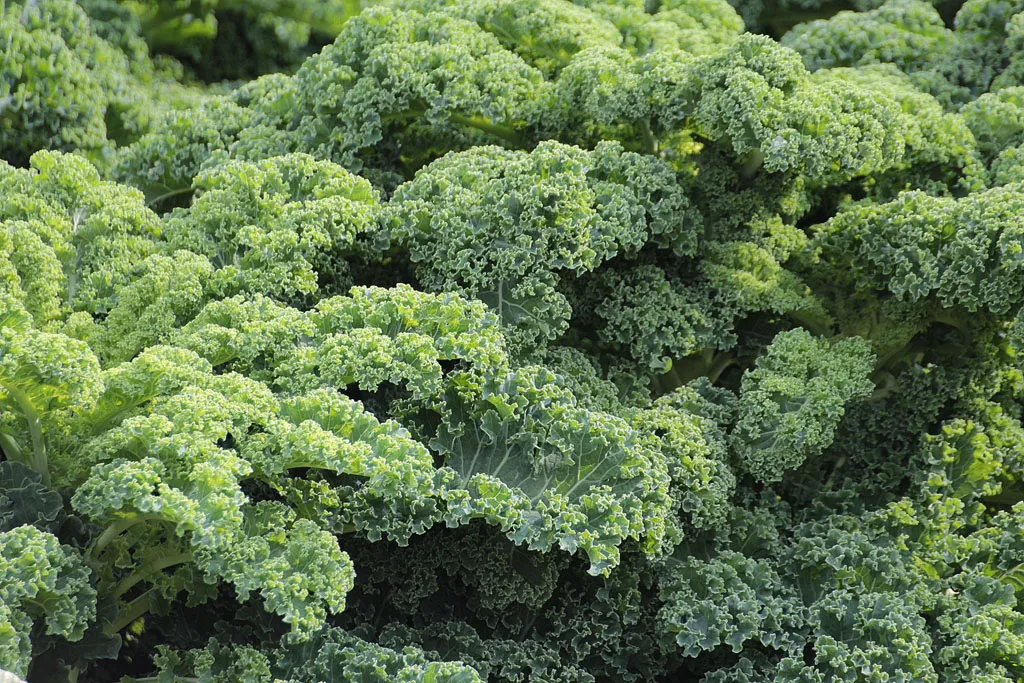
Growing kale well means keeping soil consistently moist in fertile ground with a pH between 6.0 and 7.5. Add compost or well-rotted manure before planting, and avoid fresh manure, which can carry harmful bacteria.
The University of Minnesota Extension offers a detailed guide to growing kale and collards successfully.
Why Frost Makes Kale Sweeter
Cold temperatures trigger kale to convert stored starches into sugars, which is why leaves harvested after a light frost taste noticeably sweeter and less bitter than those picked in warm weather. This makes kale one of the best crops for extending a harvest well into fall and even early winter.
Companion Planting
Onions, dill, and chamomile are good companions when growing kale, helping to repel pests while attracting beneficial insects. Avoid planting kale near strawberries or tomatoes, which compete for similar nutrients.
Can You Grow Kale in Containers?
Yes. Kale does well in a container at least 12 inches deep with good drainage and consistent moisture. It’s compact enough to thrive on a patio or balcony with at least a few hours of direct sun.
Harvesting
Harvest single leaves as soon as they reach a usable size, picking from the outside of the plant so the center keeps producing. For baby greens, harvest at the “baby” stage, leaving most small leaves intact, which allows multiple harvests before the plant is exhausted.
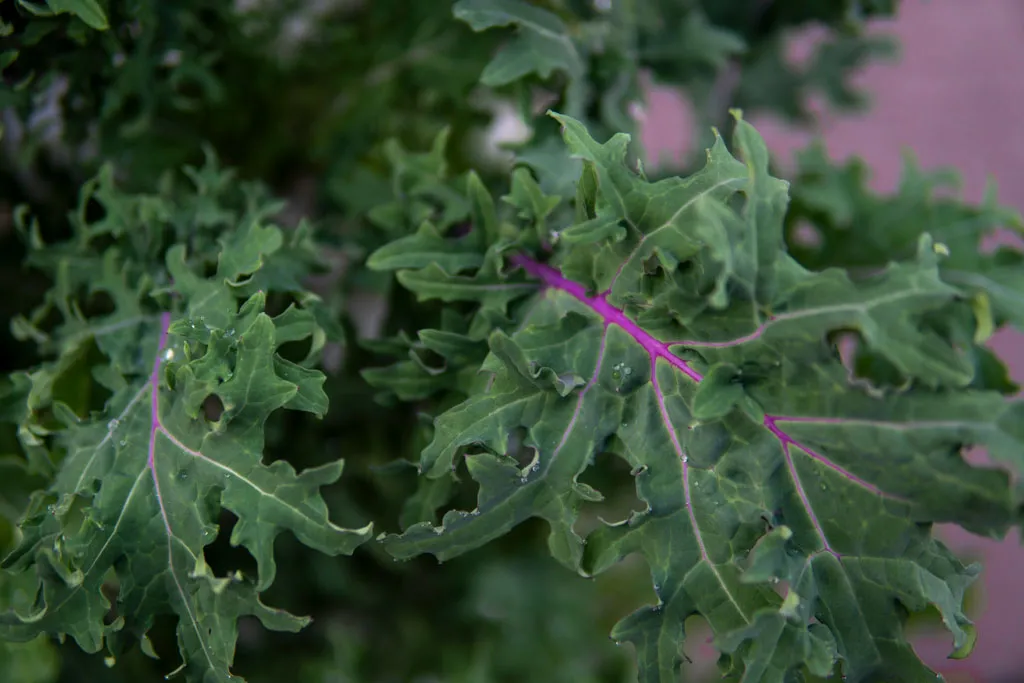
Fresh kale keeps about one to two weeks in the refrigerator, stored in a perforated bag. For longer storage, blanch briefly in boiling water, cool in ice water, and freeze for use in cooked dishes throughout the year.
Why Grow Kale?
Growing kale means access to one of the most nutrient-dense greens available, packed with vitamin A, vitamin C, vitamin K, and antioxidants. It’s also remarkably productive and cold-hardy, often producing well into the cold season when most other crops have finished.
Common Problems
Cabbage worms and flea beetles |
Bitter or tough leaves |
Slow growth
Cabbage Worms and Flea Beetles: These are the most common pests, best managed with row covers early in the season and regular inspection of leaf undersides.
Bitter or Tough Leaves: This usually happens when leaves are left on the plant too long, or when the plant is grown in hot weather. Harvest regularly and time plantings for cool weather.
Slow Growth: Poor soil fertility or inconsistent watering are the most common causes. Improve soil with compost and keep watering steady throughout the season.
Common Beginner Mistakes
These mistakes come up again and again when growing kale for the first time:
- Planting in hot weather instead of timing for cool spring or fall conditions.
- Letting leaves grow too large before harvesting, which makes them tough.
- Skipping crop rotation, increasing disease risk over time.
- Underestimating how cold-hardy kale is and harvesting too early in fall.
FAQs
Q: Does frost really make kale taste better?
A: Yes, cold triggers the plant to convert starches into sugars, making leaves noticeably sweeter after a light frost.
Q: Can kale be grown in containers?
A: Yes, in a container at least 12 inches deep with good drainage.
Q: How many times can I harvest the same kale plant?
A: Kale can be harvested repeatedly for months by picking outer leaves and leaving the center to keep growing.
Q: Why are my kale leaves bitter?
A: Bitterness usually comes from leaves left too long on the plant or hot weather stress; harvest regularly and time plantings for cool conditions.
Q: Does kale survive winter?
A: In many climates, kale tolerates temperatures down into the 20s Fahrenheit and can be harvested well into late fall or early winter.
Best Varieties for Beginners
Choosing the right variety makes growing kale even easier:
Best beginner variety: Curly kale (Winterbor), a hardy, classic type.
Best flavor: Lacinato (Dinosaur kale), known for tender, dark leaves.
Best for containers: Red Russian, compact with tender, flat leaves.
Best cold tolerance: Winterbor, bred to withstand hard frosts.
Related Vegetables
If you’re planning a cool-season garden, check out our guides to growing spinach and growing cabbage.