★☆☆☆☆ Difficulty
At a Glance
| Time to Harvest | 50-75 days; snip fresh leaves as soon as 6 weeks |
|---|---|
| Sun | Full sun |
| Water | Deep watering every 7-10 days |
| Good For | Containers ✓ Raised Beds ✓ In-Ground Gardens ✓ |
Quick Reference
| Sun | Full sun (6-8 hours per day) |
|---|---|
| Spacing | 6-12 inches apart |
| Planting Depth | Surface sow; seeds need light to germinate well |
| Days to Harvest | 50-75 days; leaves can be snipped earlier for fresh use |
| Watering | Deep watering every 7-10 days; more often in containers |
| Soil pH | 6.0-7.5 |
| USDA Zones | Grown as an annual in zones 3-11; zones 1-2 need indoor or greenhouse starts |
| Average Yield | Continuous harvest from a single plant all season |
Before You Plant…
Growing basil rewards attentive pinching more than almost any other herb:
- Wait for warm soil. Basil is not tolerant of chilly conditions and will stall in cold ground.
- Pinch off flower buds. Letting basil flower makes it woody and reduces flavor.
- Harvest stems just above a leaf pair. New growth appears at the cut point within a week.
Growing Timeline
| Week | What You’ll See |
|---|---|
| 1 | Seeds germinate, recognizable by two D-shaped seed leaves. |
| 3-4 | True leaves develop; thin to final spacing. |
| 6 | Plants are large enough for a first light harvest. |
| 8+ | Continuous harvest as long as flowering is prevented. |
Timing for growing basil varies by variety and whether you start indoors or direct seed.
How to Plant Basil
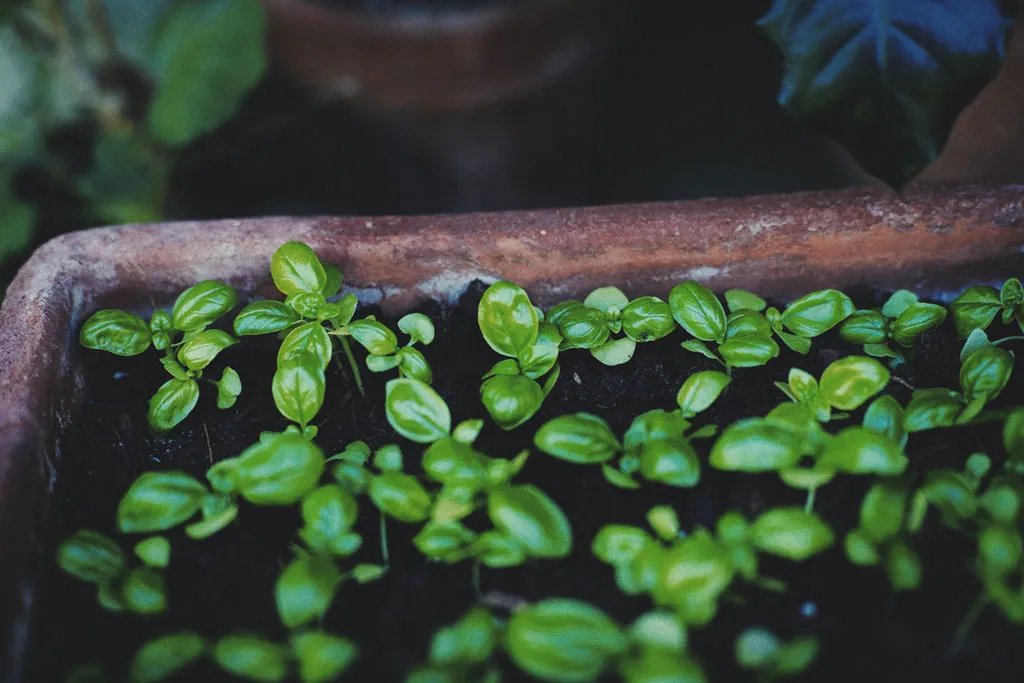
Sow seeds indoors six to eight weeks before your last frost to get a head start, especially for slower-germinating purple varieties. Basil seedlings are recognizable by their two broad, D-shaped seed leaves. Thin and transplant to stand 6-12 inches apart once plants develop two to three pairs of true leaves.
Best Planting Time
Growing basil successfully starts with picking the right window for your zone:
| USDA Zone | Best Planting Time |
|---|---|
| 1 | Best grown indoors or in a greenhouse; outdoor season is too short and cool for reliable growth. |
| 2 | Start indoors, transplant outdoors only after mid-June once nights stay warm. |
| 3 | Start indoors in April, transplant late May through early June. |
| 4 | Start indoors in April, transplant late May through early June. |
| 5 | Start indoors in April, transplant late May. |
| 6 | Start indoors in April, transplant mid-to-late May. |
| 7 | Start indoors in April, transplant mid-to-late May. |
| 8 | Start indoors in March, transplant April. |
| 9 | Start indoors in March, transplant April. |
| 10 | Plant February through April, or nearly year-round. |
| 11 | Plant February through April, or nearly year-round. |
Local frost dates and nighttime temperatures matter more than zone alone. Wait until nights stay reliably above 50°F.
How to Care for Basil
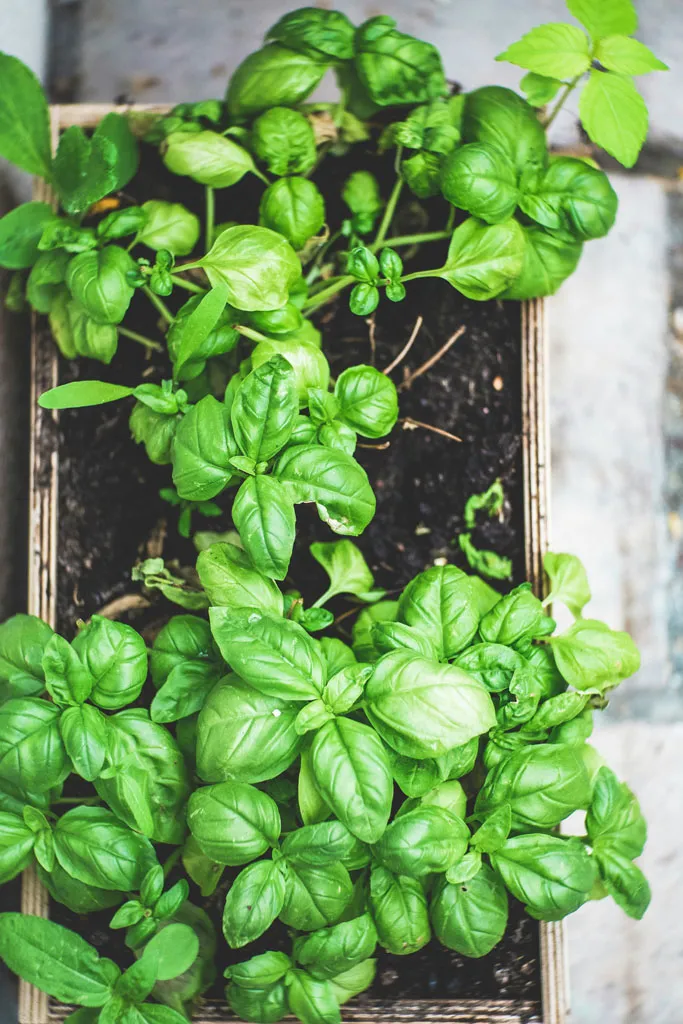
Growing basil well starts with a sunny location receiving at least six to eight hours of bright light daily, and well-drained soil with a pH between 6.0 and 7.5. Fertilize sparingly, using a balanced fertilizer once or twice during the growing season.
The University of Minnesota Extension offers a detailed guide to growing basil successfully.
Preventing Bitterness From Flowering
If you allow basil to flower and form seed, it becomes woody and yields drop considerably, with flowering also leading to more bitter flavor. Pinch off flower buds as soon as they appear to keep plants productive and leaves tender.
Companion Planting
Tomatoes, peppers, and oregano pair well when growing basil, with basil in particular thought to improve tomato flavor and repel aphids. Avoid planting basil near rue, which can stunt its growth.
Can You Grow Basil in Containers?
Yes, basil is one of the best herbs for containers. Use a pot at least 8-10 inches deep with good drainage, and water more frequently than in-ground plants since containers dry out faster.
Harvesting
Begin harvesting at any time by snipping fresh young leaves as needed. If harvesting whole stems, cut just above a pair of leaves; new growth will appear at the cut point within about a week.
Fresh basil is best used immediately, since it doesn’t hold up well in the refrigerator. For longer storage, dry leaves by hanging foliage upside down in small bunches in a warm, dry, well-ventilated room, or freeze chopped leaves in oil for later use.
Why Grow Basil?
Growing basil brings a fragrant, versatile herb straight to the kitchen, essential for pesto, Italian cooking, and countless Asian dishes. Fresh leaves have a tender texture and clove-like aroma that dried basil simply can’t match, and a single plant can supply an entire season of cooking.
Common Problems
Plant turning woody |
Aphids and slugs |
Slow or stalled growth
Aphids and Slugs: Aphids can cluster on tender new growth, while slugs target young seedlings. A strong stream of water manages aphids, and handpicking slugs in the evening helps control them.
Plant Turning Woody: This happens once basil is allowed to flower. Pinch off flower buds regularly to keep the plant tender and productive.
Slow or Stalled Growth: Cold soil or cool nights are the most common cause. Basil needs consistently warm conditions and will sulk if planted too early.
Common Beginner Mistakes
These mistakes come up again and again when growing basil for the first time:
- Planting too early into cold soil.
- Letting the plant flower instead of pinching buds regularly.
- Harvesting only a few leaves at a time instead of whole stems.
- Overwatering in containers, which can lead to root problems.
FAQs
Q: Why does my basil taste bitter?
A: Bitterness usually comes from letting the plant flower; pinch off buds regularly to keep leaves tender.
Q: Can basil be grown in containers?
A: Yes, basil is one of the best herbs for containers, needing a pot at least 8-10 inches deep.
Q: How often should I harvest basil?
A: Regularly, ideally weekly once the plant is established, to encourage bushy new growth.
Q: Can basil be grown indoors year-round?
A: Yes, with a sunny windowsill or grow light, basil can be grown indoors continuously.
Q: Why did my basil suddenly wilt?
A: This is often heat stress or inconsistent watering rather than disease, though it’s worth checking for pests.
Best Varieties for Beginners
Choosing the right variety makes growing basil even easier:
Best beginner variety: Genovese, the classic sweet Italian basil.
Best for containers: Spicy Globe, a compact, bushy variety.
Best unique flavor: Thai basil, with a distinct anise-like taste.
Best ornamental: Purple Ruffles, with striking dark foliage.
Related Vegetables
If you’re planning your herb and vegetable garden, check out our guides to growing tomatoes and growing cilantro.