
★☆☆☆☆ Difficulty
At a Glance
| Time to Harvest | 30-45 days |
|---|---|
| Sun | Full sun to partial shade |
| Water | Keep soil consistently moist |
| Good For | Containers ✓ Raised Beds ✓ In-Ground Gardens ✓ |
Quick Reference
| Sun | Full sun in cool climates; morning sun and afternoon shade in warm ones |
|---|---|
| Spacing | 6-8 inches apart, rows 12 inches apart |
| Planting Depth | 1/4 inch |
| Days to Harvest | 30-45 days |
| Watering | Consistent moisture; water deeply when the top inch dries |
| Soil pH | 6.2-6.8 |
| USDA Zones | Grown as an annual in zones 1-11 |
| Average Yield | Multiple harvests per plant over 4-6 weeks |
Before You Plant…
Growing cilantro is one of the easiest wins in any garden if you remember three things:
- Plant in cool weather. Heat is what triggers bolting and bitter flavor.
- Direct sow only. Cilantro develops a taproot and doesn’t transplant well.
- Harvest outer leaves often. Regular picking keeps the plant productive longer.
Growing Timeline
| Week | What You’ll See |
|---|---|
| 1-2 | Seeds germinate. |
| 3 | True leaves appear. |
| 4-6 | Plants reach 6 inches tall and are ready for a first harvest. |
| 7+ | Warm weather may trigger flowering and seed (coriander) production. |
Timing for growing cilantro varies by climate, since heat speeds up bolting significantly.
How to Plant Cilantro
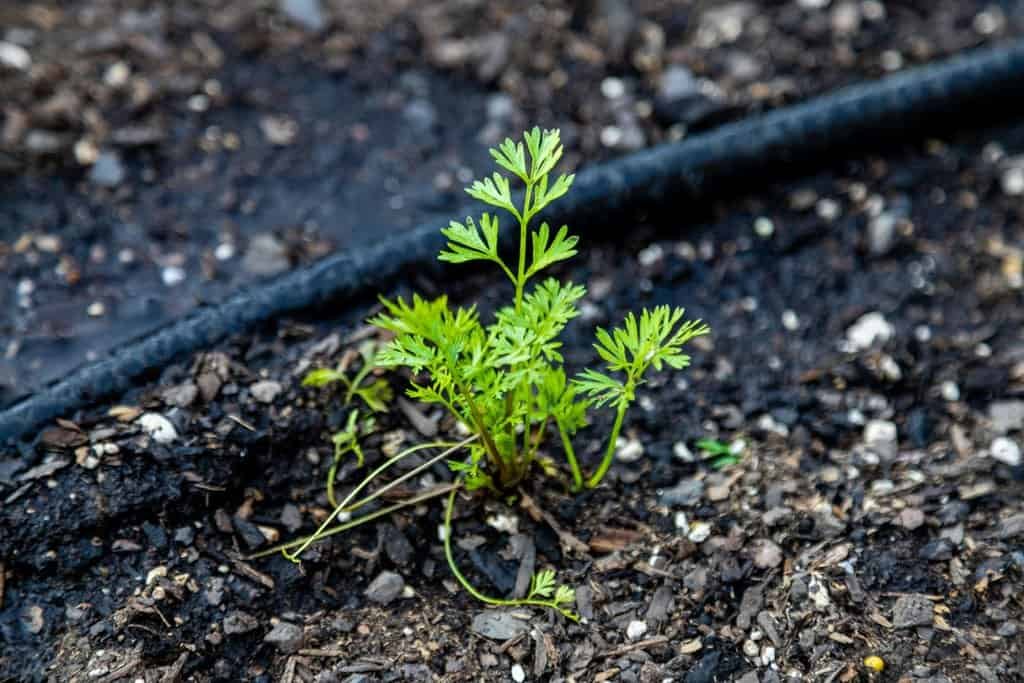
Direct sow seeds about 1/4 inch deep, since cilantro develops a taproot and does not transplant well. Plant seeds 2 inches apart, then thin seedlings to 6-8 inches apart, with rows spaced 12 inches apart.
Best Planting Time
Growing cilantro successfully starts with picking the right window for your zone:
| USDA Zone | Best Planting Time |
|---|---|
| 1 | Sow in June, once soil has warmed and can be worked. |
| 2 | Sow in late May through June. |
| 3 | Sow in April through May, and again in late summer for a fall crop. |
| 4 | Sow in April through May, and again in late summer for a fall crop. |
| 5 | Sow in March through April, and August through September. |
| 6 | Sow in March through April, and August through September. |
| 7 | Sow in March through April, and August through September. |
| 8 | Sow in February through March, and September through October. |
| 9 | Sow in February through March, and September through October. |
| 10 | Sow fall through early spring, avoiding summer heat. |
| 11 | Sow fall through early spring, avoiding summer heat. |
Local temperatures matter more than zone alone. Cilantro grows best between 50-75°F, and succession planting every 2-3 weeks keeps a steady harvest coming.
How to Care for Cilantro
Growing cilantro well starts with loose, fertile, well-drained soil rich in organic matter. Mix compost into the soil before planting to encourage healthy growth. Choose a location with morning sun and afternoon shade in warmer climates, or full sun in cooler regions.
Curious about even more cilantro tips? Head over to garden.org for a deep dive.
Watering and Feeding
Keep the soil consistently moist but not waterlogged, watering deeply whenever the top inch of soil begins to dry. Cilantro usually requires very little fertilizer; healthy compost-rich soil is often all that’s needed, and excessive nitrogen can actually reduce flavor.
Mulching
Apply a light layer of straw or shredded leaves to help conserve moisture, reduce weeds, and keep the soil cool, which slows bolting in warmer weather.
Companion Planting
Tomatoes, peppers, spinach, lettuce, carrots, and onions all make good companions when growing cilantro. Avoid planting cilantro near fennel.
Can You Grow Cilantro in Containers?
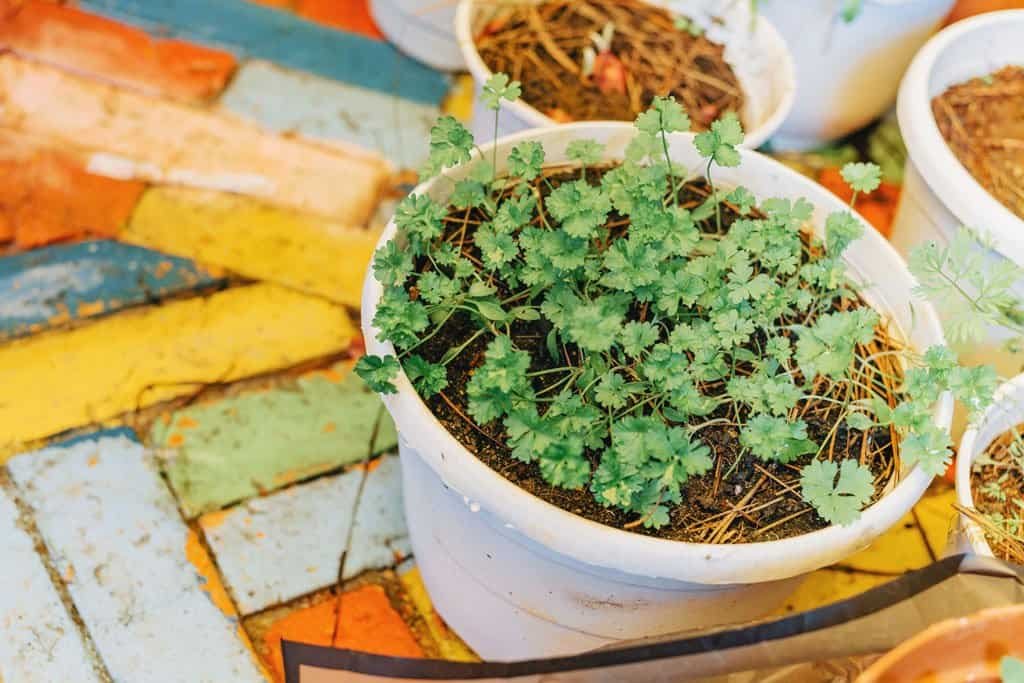
Yes. Cilantro is naturally well-suited to containers since its fast growth cycle fits easily into pots at least 8-10 inches deep. Keep the soil consistently moist, since containers dry out faster than garden beds.
Harvesting
Growing cilantro rewards frequent harvest. Begin harvesting once plants reach about 6 inches tall. Cut the outer leaves first, allowing the center of the plant to continue growing. Harvest regularly to encourage new growth.
Saving Coriander Seeds
If plants flower, allow the seed heads to mature and dry on the plant. Harvest the seeds once they turn brown. These seeds can be used as the spice coriander or saved for planting next season.
Fresh cilantro is best used immediately after harvest. It can also be stored in the refrigerator for up to a week by placing the stems in a jar of water or wrapped in a damp paper towel.
Why Grow Cilantro?
Growing cilantro is one of the fastest, easiest wins in any garden. This cool-season herb is prized for its bright, citrusy flavor and used across Mexican, Asian, Indian, and Middle Eastern cuisine. Its seeds are harvested as the spice coriander, and it can be picked multiple times throughout the season.
Regenerative Growing Tip
Allow a few cilantro plants to flower rather than pulling them once they bolt. Their blossoms attract beneficial insects such as hoverflies, parasitic wasps, and native pollinators, and the flowers become seeds that feed birds, self-sow into next season’s crop, or get harvested as coriander. Nothing wasted, everything returned.
Common Problems
Bolting in hot weather |
Aphids and powdery mildew |
Root rot
Aphids and Powdery Mildew: Both are common issues, especially in humid or crowded conditions. Good airflow and moderate watering help prevent powdery mildew, while a strong stream of water can manage light aphid populations.
Bolting in Hot Weather: Once cilantro bolts, leaf production slows and flavor turns bitter. Plant in cool weather, use slow-bolt varieties, and provide afternoon shade to delay it.
Root Rot: This usually comes from overwatering or poor drainage. Keep soil moist but never waterlogged, and ensure containers and beds drain well.
Common Beginner Mistakes
These mistakes come up again and again when growing cilantro for the first time:
- Planting in hot weather instead of cool spring or fall conditions.
- Trying to transplant seedlings instead of direct sowing.
- Overwatering, which leads to root rot.
- Pulling bolted plants instead of letting them flower for pollinators.
FAQs
Q: Why did my cilantro bolt so fast?
A: Heat triggers bolting quickly; plant in cool spring or fall weather and choose slow-bolt varieties for the longest harvest window.
Q: Can cilantro be grown in containers?
A: Yes, growing cilantro in a container at least 8-10 inches deep works well, since it fits easily into pots.
Q: Can I transplant cilantro seedlings?
A: It’s not recommended; cilantro develops a taproot and does best when direct sown.
Q: What’s the difference between cilantro and coriander?
A: They’re the same plant; cilantro refers to the leaves, and coriander refers to the dried seeds.
Q: How often can I harvest cilantro?
A: Repeatedly, by cutting outer leaves every week or two until the plant bolts.
Best Varieties for Beginners
Choosing the right variety makes growing cilantro even easier:
Best beginner variety: Santo, a reliable, widely available standard.
Best bolt resistance: Slow Bolt, bred specifically to delay flowering.
Best for containers: Calypso, compact and slow to bolt.
Best for warm climates: Cruiser, known for extra heat tolerance.
Related Vegetables
Explore our articles on regenerative growing techniques, and check out our guides to growing lettuce and growing carrots for more cool-season companions.