

Something spiritual takes place when you place your hands in living soil. Long before food reaches the table, before a seed becomes a plant, before a harvest fills a basket, you kneel, you press a seed into the earth and you trust. That is faith. Timeless, quiet and as alive as the soil itself.
In the God and garden relationship, a gardener takes something small, places it into the ground and believes life will rise from the darkness.
God and garden have always been connected. In the beginning, the garden was not only a place of beauty. It was a place of relationship, responsibility, nourishment and spiritual truth. Humanity was placed in a garden to tend it, care for it and live in harmony with creation. This time, our time, might be a good time to return to God and garden.
The Garden as a Place of Faith
Gardening teaches faith because growth cannot be forced. We can prepare the soil, plant the seed, water carefully and protect the young plant but life itself remains a mystery. The gardener participates in the miracle, but does not control it.
Faith works the same way. We prepare, we pray, we work and we wait. Some seasons feel slow. Some seeds do not sprout. Some plants struggle. But the garden reminds us that unseen things are still happening beneath the surface. Roots grow unseen. The relationship between God and garden is not symbolic. It is structural. It is built into the way creation works.
Soil Is More Than Dirt
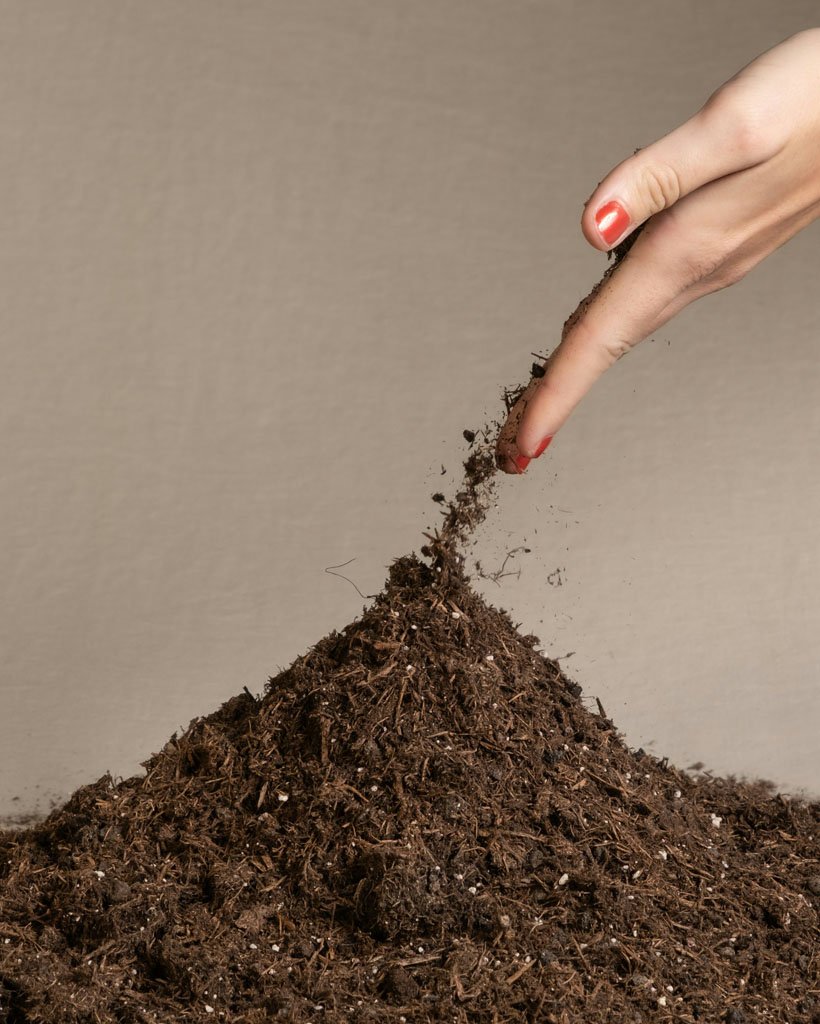
To many people, soil looks like simple dirt. But living soil is full of life. It holds roots, water, minerals, fungi, bacteria, insects, worms and organic matter. Healthy soil is not dead material. It is a living system. This matters because the soil reminds us where we come from. Human life is tied to the earth. Our bodies are nourished by what grows from the ground. The food we eat carries the story of soil, water, sunlight and faith.
When soil is neglected, food suffers. When food suffers, people suffer. When people are disconnected from soil, they often become disconnected from the deeper rhythms of life and perhaps from themselves and each other as well.
The connection runs all the way back to Genesis. God formed man from the dust of the ground. The Hebrew word for man is adam, taken directly from adamah, meaning soil or earth. According to the bible, we were not placed on the earth. We were made from it. When soil suffers, something in us suffers at a level that is almost cellular because we are of the living soil.
Even the word human shares its ancient root with humus, the organic matter that makes soil alive and fertile. We are etymologically and literally creatures of the ground.
Throughout scripture, land and covenant are inseparable. When people walked faithfully with God, the land flourished and produced abundantly. When they turned away from God, the land dried up, crops failed and famine followed. The health of the soil was never treated as a separate matter from the spiritual health of the people tending it. They rose and fell together.
We were not simply placed in the garden to enjoy it. We were placed there to tend it and keep it, to be stewards. Stewardship implies relationship, care and responsibility. When we abandon the soil, we are not just losing a food source. We are walking away from a role we were created for by God.
Growing Food as a Sacred Act
Growing food is where God and garden meet in the most humble and sacred way possible. It connects the body, the soul, the land and the Creator. A tomato grown in a backyard, herbs grown on a balcony or greens grown near a kitchen door can become more than food. They can become reminders that life is a gift.
In a world where food often appears wrapped in plastic and disconnected from its source, gardening brings us back to reality. Food does not begin in a store. It begins with living soil, seed, water, sunlight, care and faith.
God Speaks Through Creation
Many people feel close to God in nature because creation speaks without shouting. A garden does not need to preach to teach. A seed breaking open, a worm moving through compost, a flower turning toward the sun or a vine reaching for support all carry spiritual meaning.
The garden shows us death and renewal again and again. Leaves fall and become compost. Compost feeds new roots. Seeds disappear into the soil and rise as living plants. What looks like an ending often becomes part of a beginning. The God and garden story holds within it the greatest truth on earth, the never ending cycle of creation.
The Garden Teaches Humility
No gardener is fully in charge. Weather changes. Pests arrive. Seeds fail. Plants surprise us. A garden will humble anyone who tries to dominate it. That humility is not weakness. It is wisdom.
This is an important lesson in a time when much of modern life is built around control, speed, convenience and consumption. Gardens move differently. They follow seasons. They respond to care. They cannot be rushed by human impatience. The garden offers great lessons. The God and garden invitation is to slow down, surrender control and trust the process.
Faith, Food and Community
A garden is rarely just about the person growing it. Food naturally creates relationship. A basket of tomatoes can become a gift. A cutting from an herb plant can become a conversation. Seeds can be shared. A neighbor can be fed. A child learns more from tending to the soil than from sitting at a desk in a classroom.
The God and garden calling moves beyond the individual soul and into the community. Gardens can heal more than soil. They can heal loneliness, disconnection and the feeling that life has become artificial.
Small Gardens Matter
You do not need acres of land to begin living the God and garden life. You do not need to be an expert. You do not need perfect soil, expensive tools or a large garden. A pot of basil on a windowsill can be a beginning. A small bed in a backyard can be a beginning. A small patch of restored soil can be a beginning.
God often works through small beginnings. A seed is small. A prayer can be quiet. A single act of care can seem almost invisible. But small things grow large.
Not everyone who gardens believes in God. That is certainly worth saying. You do not have to share a particular faith to find meaning in a garden. Many people who would never call themselves religious describe something that feels almost sacred when they work the soil, a quieting of the mind, a sense of connection to something larger than themselves.
Whatever you believe or do not believe, a garden meets you where you are. It asks only that you show up, pay attention and care for something beyond yourself. And in that simple act, something in most people begins to heal. Grow something. Anything. The soil does not ask for your theology. It asks for your hands. Give it your time. In return, it will sustain you.
The Truck Patch: Growing for Yourself and Your Neighbor
There is an old American term that has nearly disappeared from our vocabulary but carries a wisdom worth recovering. It was called the truck patch.
A truck patch was a small garden grown not just for the family table but for trading and selling to the community. The word truck had nothing to do with vehicles. It came from an old French and Middle English word truken, meaning to barter or exchange goods. Families would grow more than they needed and take the surplus to town by wagon to trade with neighbors. That garden, the source of goods for trucking, became known as the truck patch.
The term was especially common in Appalachian and Southern communities through the 19th and early 20th centuries. A truck patch was usually a modest plot, not a farm, but larger than a kitchen garden. It produced practical crops like beans, squash, corn, tomatoes and potatoes. It was humble, purposeful and deeply connected to the life of the community around it.
What strikes me about the truck patch is what it assumed without ever having to say it. It assumed that a garden naturally produced more than one family needed. It assumed that surplus was meant to be shared. It assumed that the garden was a bridge between a family and its neighbors, not just a source of private provision.
That is a profoundly biblical idea. Sadly, one the modern food system has almost entirely forgotten.
Leviticus 19:9-10
“When you reap the harvest of your land, do not reap to the very edges of your field or gather the gleanings of your harvest. Do not go over your vineyard a second time or pick up the grapes that have fallen. Leave them for the poor and the foreigner.”
This is almost a direct biblical blueprint for the truck patch. God literally commanded farmers to grow more than they needed and leave the surplus for others. Gardens are meant to be shared.
Returning to Sacred Ground
God and garden are still connected because the garden brings us back to what is real. Soil is real. Food is real. Hunger is real. Growth is real. Patience is real. Death and renewal are real. In the garden, faith becomes something we can touch.
Every seed planted is an act of hope. Every handful of compost is an act of restoration. Every harvest is a reminder that life is generous. Every garden, no matter how small, can become sacred ground when it is cared for with love, humility and gratitude.
To grow food is to participate in creation. To care for soil is to honor the life God placed beneath our feet. To live the God and garden life is to remember that the earth is not just a resource. It is a gift, a responsibility and a living reminder healing begins in the soil beneath our feet.
For a deeper exploration of faith and creation care, the Au Sable Institute has been connecting Christian faith with the stewardship of God’s creation for decades.
Discover how the regenerative agriculture mindset connects to the way nature was designed to work at soulsoil.earth.