Overview
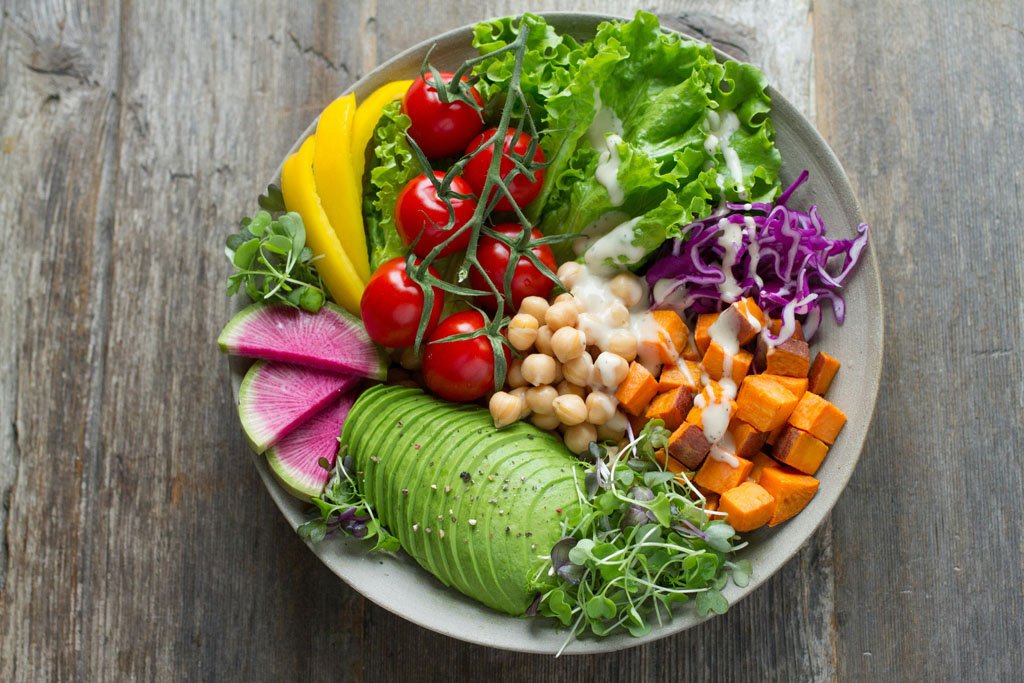
This garden harvest salad is simple, fresh, and built around whatever is coming out of the garden. Tomatoes, cucumbers, lettuce, herbs, peppers, carrots, and onions all work beautifully here. The garden harvest salad is less a fixed recipe and more a seasonal framework — use what’s ripe, skip what isn’t, and let the garden lead.
Ingredients
- 4 cups fresh lettuce or mixed greens
- 1 cup cherry tomatoes, halved
- 1 cucumber, sliced
- 1 bell pepper, sliced
- 1 carrot, shredded or thinly sliced
- 1/4 red onion, thinly sliced
- 1/4 cup fresh herbs, such as basil, parsley, dill, or cilantro
- 1/4 cup sunflower seeds, pumpkin seeds, or chopped nuts
- Optional: feta, goat cheese, avocado, or grilled chicken
Simple Garden Dressing
- 1/4 cup olive oil
- 2 tablespoons lemon juice or apple cider vinegar
- 1 teaspoon Dijon mustard
- 1 teaspoon honey
- 1 small garlic clove, minced
- Salt and black pepper, to taste
Instructions
- Wash and dry the lettuce or greens.
- Slice the tomatoes, cucumber, bell pepper, carrot, and onion.
- Add the vegetables and herbs to a large bowl.
- In a small bowl, whisk together the olive oil, lemon juice or vinegar, Dijon mustard, honey, garlic, salt, and pepper.
- Pour the dressing over the salad just before serving.
- Toss gently and top with seeds, nuts, cheese, avocado, or protein if desired.
Garden Ingredients You Can Grow
- Lettuce
- Tomatoes
- Cucumbers
- Bell peppers
- Carrots
- Onions
- Basil
- Parsley
- Dill
- Cilantro
Variations
A garden harvest salad changes with the seasons, which is part of what makes it so useful. In summer, add corn, fresh basil, ripe tomatoes, and sliced cucumbers for a bright and cooling bowl. Come fall, roasted carrots, beets, squash, or sweet potatoes turn it into something heartier and warming. For extra protein, grilled chicken, boiled eggs, chickpeas, or white beans make it a complete meal. If you love texture, a handful of sunflower seeds, pumpkin seeds, toasted walnuts, or homemade croutons adds a satisfying crunch. Every version of this garden harvest salad starts in the same place — whatever looks best in the garden that day.
Regenerative Kitchen Tip
Save vegetable scraps such as carrot peels, onion ends, herb stems, and lettuce cores for compost. What does not end up on the plate can go back to the soil and help feed the next harvest. This is the regenerative kitchen in practice — nothing wasted, everything returned. Even the dressing bowl can be rinsed with a splash of water and poured over the garden bed. Small habits like these connect every meal back to the living soil.
Growing your own salad ingredients also changes how you cook. When lettuce is fresh cut from the garden an hour before dinner, you taste the difference immediately. Homegrown tomatoes ripened on the vine are sweeter and more complex than anything from a store shelf. Fresh herbs snipped at the last moment bring a brightness that dried herbs simply cannot match. A garden harvest salad made entirely from homegrown vegetables is one of the clearest reminders of why growing your own food matters. The flavor alone is worth it.
Final Thoughts on the Garden Harvest Salad
A Garden Harvest Salad does not need to be complicated. The whole point is to use what is fresh, seasonal, and available. A few homegrown vegetables, a handful of herbs, and a simple dressing can turn the garden into a meal.
For seasonal eating inspiration, Eating Well is a great resource for making the most of your garden harvest all year long.
Want to grow more of your own salad ingredients? Start with our guide on how to grow cilantro — one of the easiest herbs to add to any bowl.