
Overview
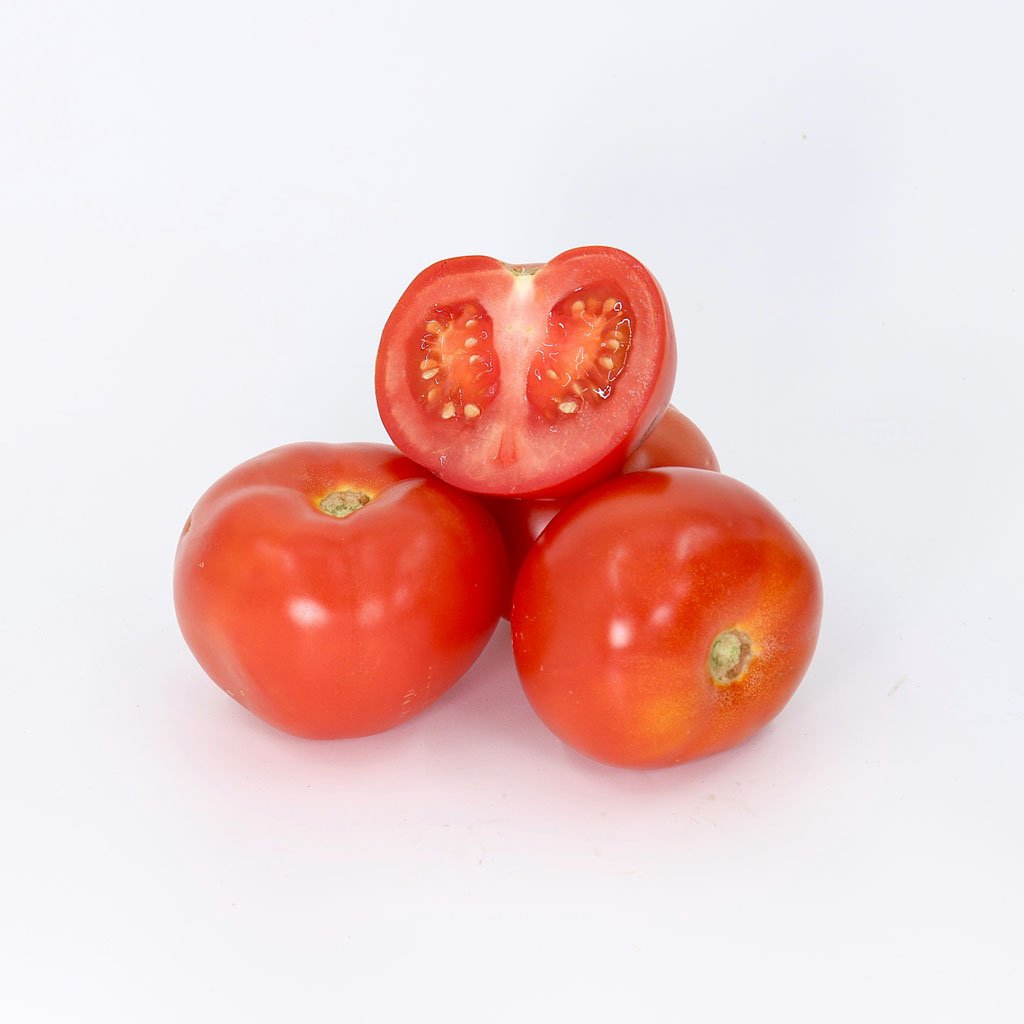
If you want to know how to grow beefsteak tomatoes, you’re going for one of the most rewarding crops in the garden. Beefsteak tomatoes are famous for their large size, rich flavor, and meaty texture — making them one of the best choices for sandwiches, burgers, slicing, and fresh eating straight off the vine.
Quick Facts
- Difficulty: Easy to Moderate
- Sunlight: Full Sun, 8+ hours daily
- Days to Harvest: 80–90 days
- Plant Height: 5–8 feet
- Spacing: 24–36 inches
- Soil pH: 6.2–6.8
- Container Friendly: Yes, minimum 20-gallon container
Choosing a Variety
Popular beefsteak varieties include Big Beef, Brandywine, Beefmaster, Cherokee Purple, and Mortgage Lifter. Choose disease-resistant varieties when possible, especially if you’re new to growing tomatoes.
When to Plant
Plant beefsteak tomatoes after all danger of frost has passed and nighttime temperatures stay above 50°F. If starting from seed, sow indoors 6–8 weeks before your last expected frost.
Choosing the Right Location
Tomatoes need at least 8 hours of direct sunlight each day. Choose a spot with good airflow, well-drained soil, and protection from strong winds.
Soil Preparation
Mix compost into the planting area before planting. Beefsteak tomatoes grow best in rich, loose, well-draining soil with plenty of organic matter.
Planting
Remove the lower leaves and bury about two-thirds of the stem. Tomatoes can grow roots along the buried stem, helping create a stronger root system.
Space plants 24–36 inches apart and install cages or stakes at planting time.
Watering
Water deeply 1–2 times per week, depending on weather and soil conditions. Water at the base of the plant and avoid wetting the leaves when possible.
Fertilizing
Add compost at planting. Once flowers appear, feed with a balanced organic fertilizer. Avoid too much nitrogen, which can create lots of leaves but fewer tomatoes.
Mulching
Apply 2–4 inches of organic mulch around the base of the plant. Straw, shredded leaves, and untreated grass clippings all work well.
Pruning & Support
Most beefsteak tomatoes are indeterminate, meaning they keep growing and producing throughout the season. Use strong cages, stakes, or trellises to support the plants.
Remove lower leaves that touch the soil and prune suckers if desired to improve airflow.
Common Problems
- Blossom end rot
- Early blight
- Hornworms
- Aphids
- Whiteflies
- Cracked fruit
Companion Plants
- Basil
- Marigolds
- Garlic
- Onions
- Chives
- Nasturtiums
Avoid planting near: Fennel.
Harvesting
Beefsteak tomatoes are ready when they have full color and feel slightly soft when gently squeezed. Harvest regularly to encourage continued production.
Regenerative Growing Tip
Healthy tomatoes begin with healthy soil. Feed the soil with compost, mulch, and organic matter instead of relying only on fertilizers. Living soil helps support stronger plants, better water retention, and better-tasting harvests. When you learn how to grow beefsteak tomatoes regeneratively, you stop chasing problems with sprays and synthetic inputs and start building an ecosystem where strong plants are the natural result. Compost feeds the microbes. Microbes feed the roots. Roots feed the fruit. The whole system works together when you work with the soil instead of against it.
Final Thoughts on How to Grow Beefsteak Tomatoes
Growing beefsteak tomatoes is one of the most rewarding garden experiences. With sunshine, living soil, steady watering, and patience, you can grow large, flavorful tomatoes that beat anything from the grocery store. Once you know how to grow beefsteak tomatoes in living soil, the results speak for themselves — deep color, rich flavor, and harvests that keep coming all season long.
For a deeper look at heirloom and disease-resistant varieties, Burpee offers detailed profiles on popular beefsteak tomato types including Brandywine and Big Beef.
Pair your tomato harvest with our stuffed bell peppers recipe for a meal made almost entirely from the garden.