
Overview
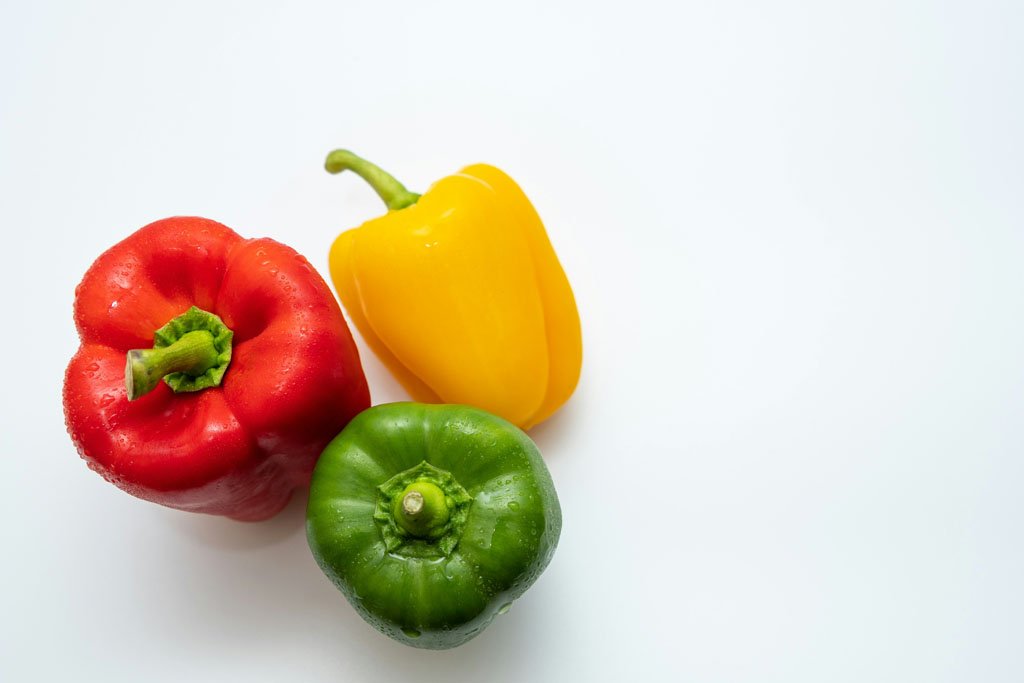
These stuffed bell peppers are a hearty, colorful meal that makes great use of fresh garden peppers, tomatoes, onions, garlic, and herbs. Whether you’re cooking from your own garden harvest or the farmers market, this classic stuffed bell peppers recipe is easy to customize with your favorite vegetables, grains, and proteins. Fresh, simple, and deeply satisfying.
Ingredients
- 4 large bell peppers (any color)
- 1 pound ground beef or ground turkey (optional)
- 1 cup cooked rice or quinoa
- 1 cup diced tomatoes
- 1 small onion, diced
- 2 cloves garlic, minced
- 1 tablespoon olive oil
- 1 teaspoon Italian seasoning
- 1/2 teaspoon paprika
- Salt and black pepper, to taste
- 1 cup shredded mozzarella or cheddar cheese
- Fresh parsley or basil for garnish
Instructions
- Preheat the oven to 375°F (190°C).
- Slice the tops off the bell peppers and remove the seeds and membranes.
- Heat olive oil in a skillet over medium heat.
- Sauté the onion until soft, then add the garlic and cook for one minute.
- Add the ground meat and cook until browned. Drain excess fat if necessary.
- Stir in the diced tomatoes, cooked rice, Italian seasoning, paprika, salt, and pepper.
- Simmer for 5 minutes, then remove from heat.
- Fill each pepper with the mixture and place them upright in a baking dish.
- Cover with foil and bake for 35 minutes.
- Remove the foil, sprinkle cheese over each pepper, and bake for another 10–15 minutes until the cheese is melted and lightly browned.
- Garnish with fresh parsley or basil before serving.
Garden Ingredients You Can Grow
- Bell peppers
- Tomatoes
- Onions
- Garlic
- Parsley
- Basil
Variations
Stuffed bell peppers are one of the most versatile recipes you can make. For a vegetarian version, replace the meat with black beans, lentils, mushrooms, or chickpeas — hearty enough to satisfy and perfectly matched to the sweetness of roasted peppers. Watching your carbs? Swap regular rice for cauliflower rice without losing any of the comfort or flavor. If you like heat, diced jalapeños or crushed red pepper flakes stirred into the filling bring a welcome kick. For something a little unexpected, try a Mediterranean twist with feta cheese, wilted spinach, kalamata olives, and oregano in place of the Italian seasoning. Each variation uses the same simple method but delivers a completely different meal, which makes stuffed bell peppers a recipe worth coming back to all season long.
Serving Suggestions
- Garden salad
- Roasted vegetables
- Fresh sourdough bread
- Steamed green beans
Storage
Store leftovers in an airtight container in the refrigerator for up to four days. Stuffed peppers also freeze well for up to three months. Reheat in the oven or microwave until heated through.
Regenerative Kitchen Tip
Use peppers, tomatoes, onions, and herbs harvested from your own garden whenever possible. Homegrown stuffed bell peppers made with vegetables picked at peak ripeness deliver exceptional flavor while reducing food waste, packaging, and transportation. Growing your own bell peppers is simpler than most people think — they thrive in containers, raised beds, and garden rows alike. When you connect your kitchen directly to your garden, every meal becomes a small act of regeneration. You’re not just feeding yourself. You’re closing the loop between soil, seed, harvest, and table.
Final Thoughts on Stuffed Bell Peppers
Stuffed bell peppers are a satisfying way to bring the garden to the dinner table. They’re easy to prepare, endlessly customizable, and perfect for showcasing the fresh vegetables you’ve grown yourself.
For food safety guidance on storing and reheating stuffed peppers, the USDA recommends reheating leftovers to an internal temperature of 165°F.
Growing your own peppers is easier than you think — check out our guide to the regenerative agriculture mindset to see how your kitchen garden fits into something bigger.
Explore more garden-to-table recipes at soulsoil.earth.