★★☆☆☆ Difficulty
At a Glance
| Time to Harvest | 70-100 days, depending on variety |
|---|---|
| Sun | Full sun |
| Water | Keep soil consistently moist |
| Good For | Containers ✓ Raised Beds ✓ In-Ground Gardens ✓ |
Quick Reference
| Sun | Full sun (6+ hours per day) |
|---|---|
| Spacing | 12-18 inches apart |
| Planting Depth | 1/4-1/2 inch for seeds |
| Days to Harvest | 70-100 days, depending on variety and conditions |
| Watering | Consistent; shallow roots need steady moisture |
| Soil pH | 6.0-7.5 |
| USDA Zones | Grown as an annual in zones 1-10 |
| Average Yield | 1 head per plant, 2-8 lbs |
Before You Plant…
Cabbage rewards a steady hand more than a fast one:
- Water on a consistent schedule. Swings between dry and wet cause heads to split.
- Space plants fully. Overcrowding limits head size and competes for light.
- Harvest before heads get overly hard. Waiting too long reduces quality and invites splitting.
Growing Timeline
| Week | What You’ll See |
|---|---|
| 1-2 | Seeds germinate (if starting from seed). |
| 4-6 | Transplant outdoors as sturdy seedlings. |
| 8-10 | A central head begins forming. |
| 10-14 | Head is firm, dense, and ready to harvest. |
Timing varies by variety, weather, and whether you begin with seeds or transplants.
How to Plant Cabbage
Start seeds indoors for a spring crop about 4-6 weeks before your last frost, or direct seed in early July for a fall harvest. Harden seedlings off gradually. Space plants 12-18 inches apart.
Best Planting Time
| USDA Zone | Best Planting Time |
|---|---|
| 1 | Start seeds indoors in April. Transplant outdoors after the last frost, typically mid-June. |
| 2 | Start indoors in April and transplant after frost danger has passed, typically early June. |
| 3 | Start indoors in March for a May transplant, or direct seed in July for a fall crop. |
| 4 | Start indoors in March for a May transplant, or direct seed in July for a fall crop. |
| 5 | Start indoors in March for a May transplant, or direct seed in July for a fall crop. |
| 6 | Start indoors in February, or direct seed in July. |
| 7 | Start indoors in February, or direct seed in July. |
| 8 | Plant in fall or late winter to avoid summer heat. |
| 9 | Plant in fall or late winter to avoid summer heat. |
| 10 | Grow primarily fall through spring. |
| 11 | Grow primarily fall through spring, during the coolest months. |
Local frost dates and summer temperatures matter more than zone alone. Aim for steady growth during temperatures around 60-70°F.
How to Care for Cabbage
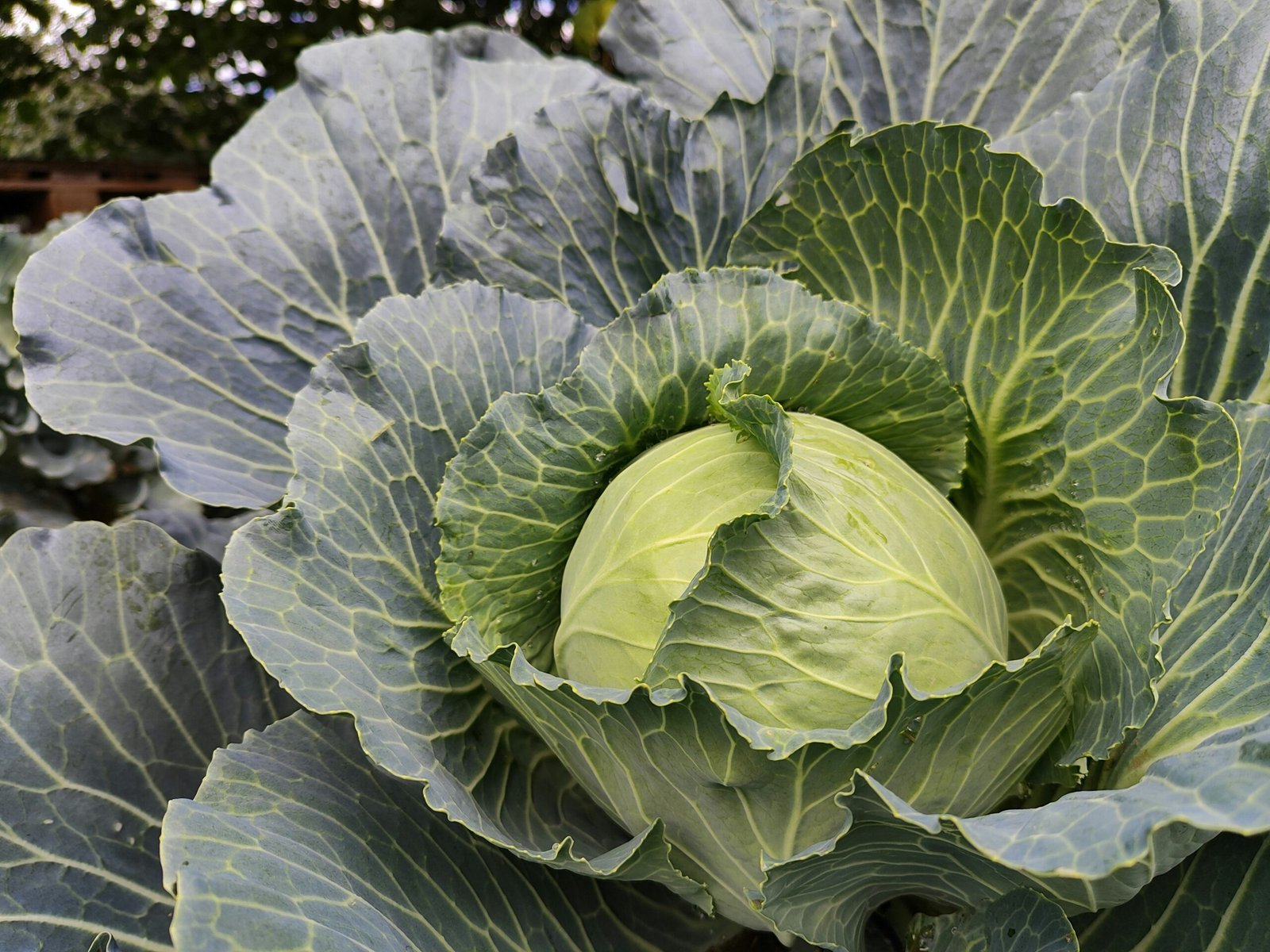
Cabbage grows best in rich, fertile soil with a pH between 6.0 and 7.5, and prefers cool weather. Keep soil consistently moist, since cabbage’s shallow root system doesn’t tolerate drought well during head formation.
The University of Minnesota Extension offers a full guide to spring and fall cabbage timing.
Preventing Splitting
Splitting usually follows heavy rain after a dry spell, when the head absorbs water faster than the outer leaves can expand to accommodate it. Consistent watering throughout the season helps prevent this, and twisting the head slightly to break some roots can slow growth if harvest is delayed.
Companion Planting
Onions, dill, and celery are good companions for cabbage, helping to repel pests. Avoid planting cabbage near strawberries or tomatoes.
Can You Grow Cabbage in Containers?
Yes. Compact varieties do well in containers at least 5 gallons with full sun and consistent moisture, though larger storage varieties need more room to size up properly.
Harvesting
Harvest cabbage when heads feel firm and dense when gently squeezed, cutting at the base and leaving a few outer leaves attached. Cabbage tolerates light frost, so there’s no urgent need to harvest before the first cold snap.
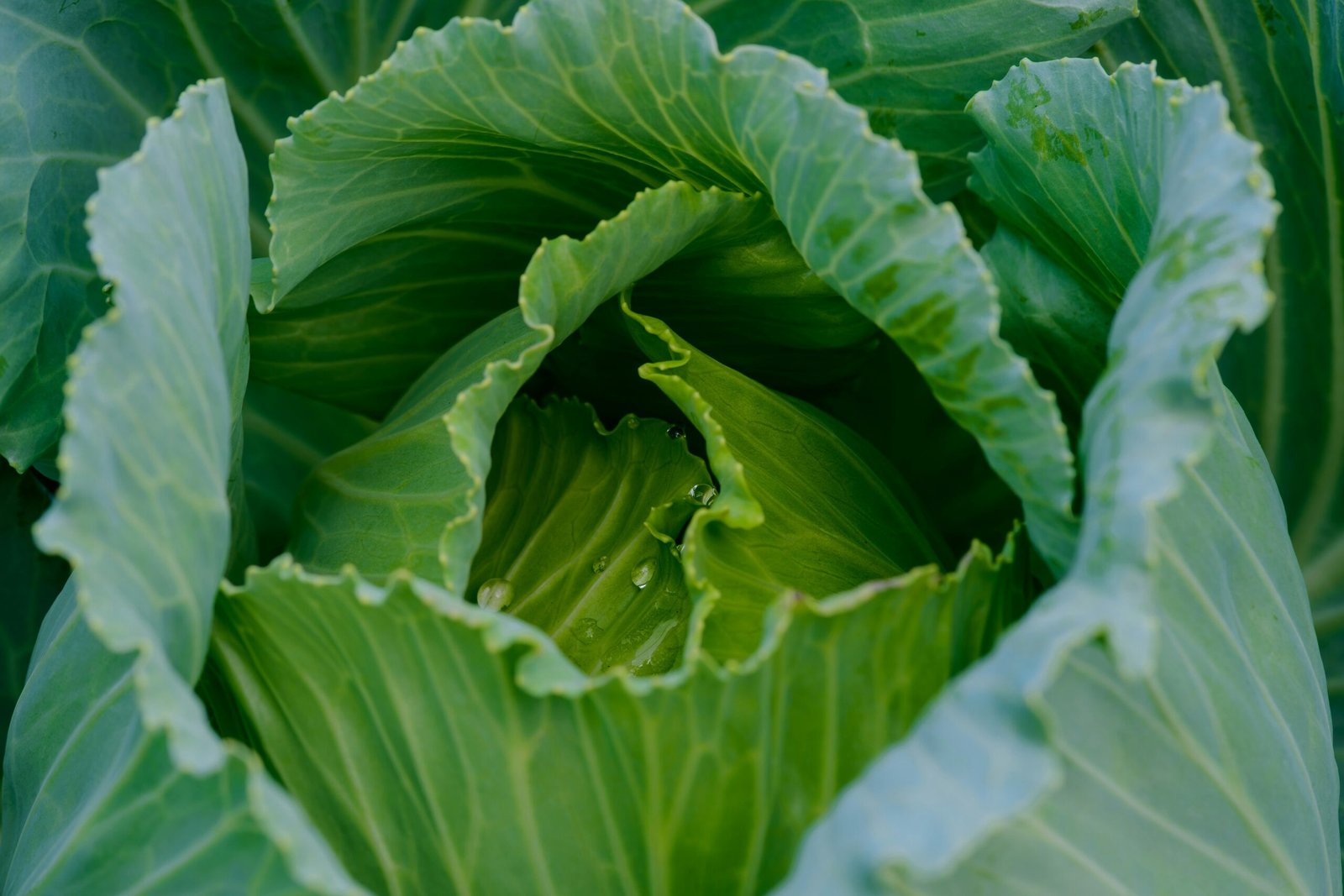
Fresh cabbage stores exceptionally well, lasting several weeks in the refrigerator or even longer in a cold, humid root cellar, often two to three months or more. For extended preservation, ferment into sauerkraut or kimchi.
Why Grow Cabbage?
Cabbage is rich in vitamin C and vitamin K, and contains sulfur-based compounds similar to those in broccoli and cauliflower. It’s also one of the better vegetables for long-term storage without canning or freezing.
Common Problems
Head splitting |
Cabbage worms |
How long does cabbage store?
Cabbage Worms: Cabbage worms and cabbage loopers are the most persistent pests, often requiring row covers or regular hand-picking.
Head Splitting: Splitting usually follows heavy rain after a dry spell. Consistent watering throughout the season helps prevent it.
How Long Does Cabbage Store? Properly stored in a cool, humid environment, cabbage can last two to three months or longer.
Common Beginner Mistakes
- Letting soil swing between dry and wet, which causes splitting.
- Planting too closely, resulting in smaller heads.
- Harvesting too late, after heads become overly hard.
- Skipping row covers, leaving young plants exposed to cabbage worms.
FAQs
Q: Why did my cabbage head split?
A: Splitting usually follows heavy rain after a dry spell; consistent watering helps prevent it.
Q: Can cabbage survive frost?
A: Yes, cabbage tolerates light frost well and often develops better flavor after a cold snap.
Q: How long does homegrown cabbage store?
A: Properly stored in a cool, humid environment, cabbage can last two to three months or longer.
Q: Can cabbage be grown in containers?
A: Yes, compact varieties work well in containers at least 5 gallons.
Q: Why are my cabbage heads small?
A: Overcrowding or inconsistent watering are the most common causes; space plants fully and water steadily.
Best Varieties for Beginners
Best beginner variety: Golden Acre, compact and early-maturing.
Best color: Red Express, with a slightly peppery flavor.
Best for cooking: Savoy, with tender, crinkled leaves.
Best storage: Late Flat Dutch, a large, long-storing heirloom.
Best for small spaces: Caraflex, a compact, pointed-head variety.
Related Vegetables
If you’re planning a cool-season garden, check out our guides to growing carrots and growing onions.