
★☆☆☆☆ Difficulty
At a Glance
| Time to Harvest | 45-55 days |
|---|---|
| Sun | Full sun |
| Water | 1-2 inches per week, at the base |
| Good For | Containers ✓ Raised Beds ✓ In-Ground Gardens ✓ |
Quick Reference
| Sun | Full sun (6-8 hours per day) |
|---|---|
| Spacing | 3-4 feet apart (hills) |
| Planting Depth | 1 inch |
| Days to Harvest | 45-55 days |
| Watering | 1-2 inches per week, watered at the base to avoid mildew |
| Soil pH | 6.0-7.5 |
| USDA Zones | Zones 3-11 outdoors; zones 1-2 need indoor starts and frost protection |
| Average Yield | 6-10 lbs per plant |
Before You Plant…
Zucchini is the most productive crop in most gardens if you follow three rules:
- Give each plant plenty of space. One healthy plant sprawls further than most gardeners expect.
- Water at the base, not overhead. Wet leaves invite powdery mildew.
- Pick small and pick often. Oversized fruit turns seedy and tells the plant to stop producing.
Growing Timeline
| Week | What You’ll See |
|---|---|
| 1 | Seeds germinate. |
| 3 | True leaves appear and vining begins. |
| 5-6 | Flowering begins. |
| 7-8 | First fruit is ready to harvest. |
Timing varies by variety, weather, and whether you begin with seeds or transplants.
How to Plant Zucchini
Direct seed zucchini after frost danger has passed and soil has warmed, planting seeds one inch deep in hills spaced 3-4 feet apart. Thin to one or two vigorous plants per hill.
Best Planting Time
| USDA Zone | Best Planting Time |
|---|---|
| 1 | Start indoors in May and transplant with frost protection after the last frost, typically mid-June. |
| 2 | Start indoors in May and transplant with frost protection after the last frost, typically early June. |
| 3 | Plant late May through early June. |
| 4 | Plant late May through early June. |
| 5 | Plant late May through early June. |
| 6 | Plant mid-to-late May. |
| 7 | Plant mid-to-late May. |
| 8 | Plant April, or again in July for a fall crop. |
| 9 | Plant April, or again in July for a fall crop. |
| 10 | Plant February through April, or again in September. |
| 11 | Plant February through April, or again in September. |
Local frost dates and summer temperatures matter more than zone alone. Aim for soil temperatures above 60°F before planting.
How to Care for Zucchini
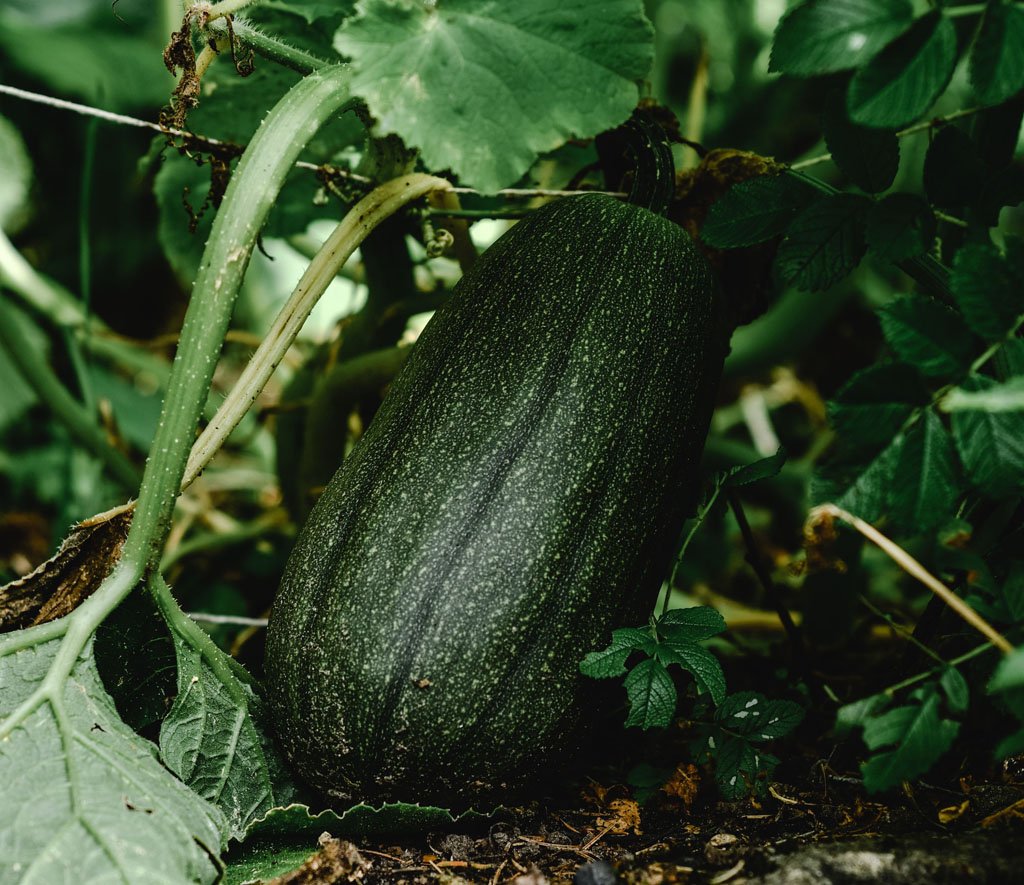
Zucchini needs full sun and warm soil, thriving above 60°F and struggling if planted too early into cold ground. Water deeply and consistently at the base of the plant, avoiding the leaves to reduce the risk of powdery mildew.
The University of Minnesota Extension offers a thorough guide to growing zucchini successfully.
Pollination and Fruit Set
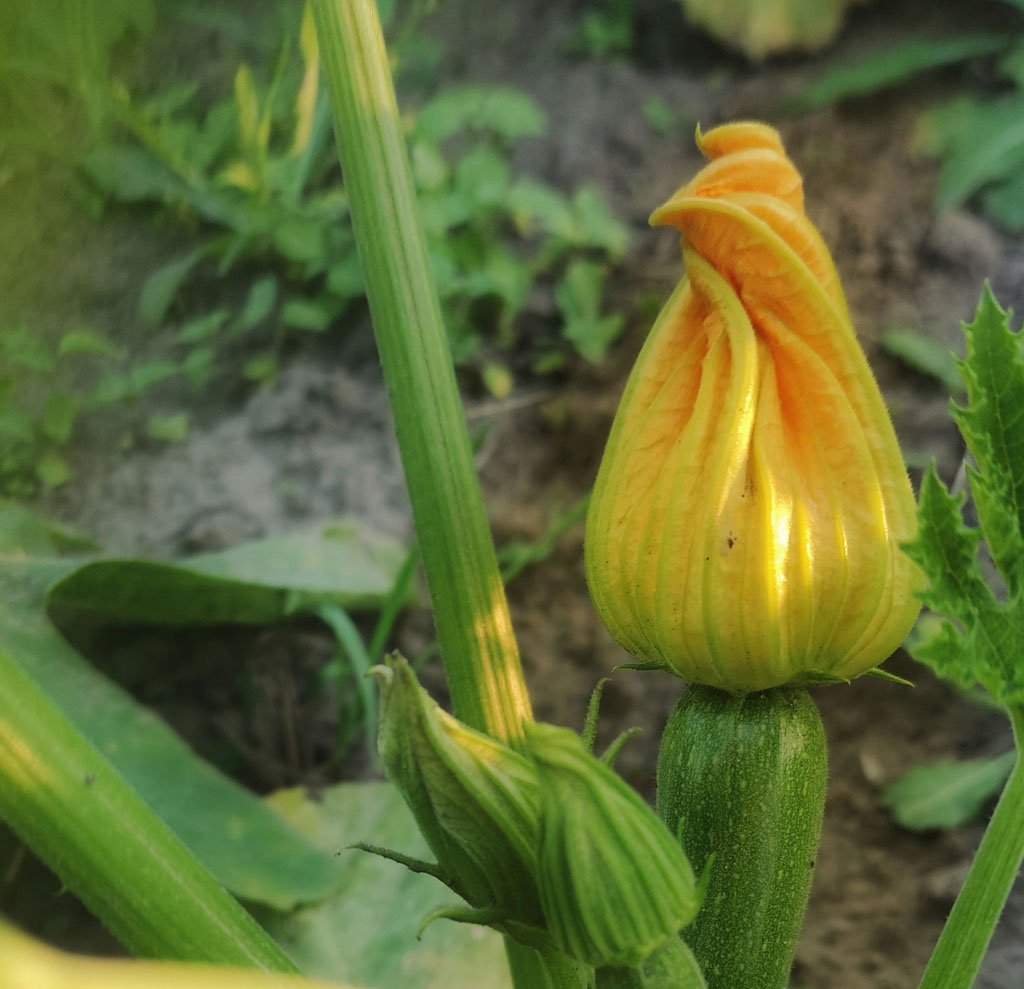
Early flowers are often male-only; female flowers, marked by a small swelling at the base, appear later and need pollination to set fruit. If female flowers are present but fruit still isn’t setting, poor bee activity is the likely cause, and hand-pollinating with a small paintbrush can help.
Companion Planting
Corn, beans, and nasturtiums all pair well with zucchini, with nasturtiums helping to draw squash bugs away from the main crop. Avoid planting zucchini near potatoes.
Can You Grow Zucchini in Containers?
Yes. Use a container that holds at least 5 gallons for compact bush varieties, with full sun exposure. Container-grown zucchini needs more frequent watering than in-ground plants.
Harvesting
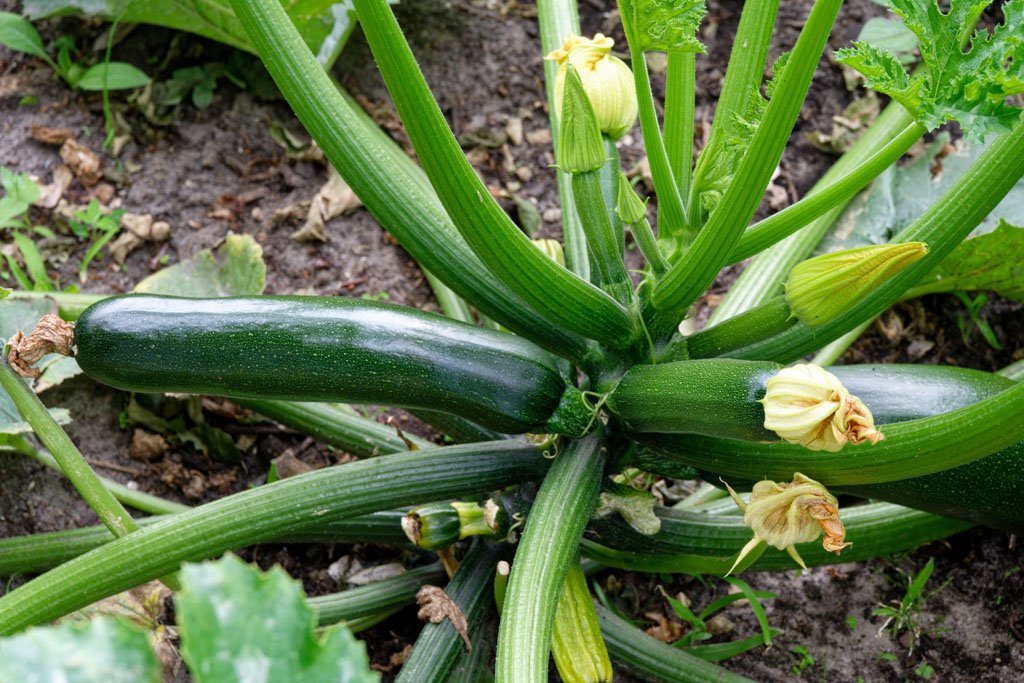
Harvest zucchini when fruit is 6-8 inches long, since larger squash become tough, seedy, and less flavorful. Check plants daily during peak season, since fruit can go from small to oversized in just a day or two.
Fresh zucchini keeps about one week in the refrigerator, stored unwashed in a perforated bag. For longer storage, zucchini freezes well when shredded or sliced.
Why Grow Zucchini?
Zucchini is low in calories and carbohydrates while providing vitamin C, vitamin A, and potassium, all with a high water content that makes it hydrating and light. It’s also famous for its productivity, often producing more food per plant than any other common vegetable.
Common Problems
Flowers but no fruit |
Squash vine borers and powdery mildew |
Too much zucchini
Squash Vine Borers and Powdery Mildew: Squash vine borers, cucumber beetles, and powdery mildew are the most common issues. Watering at the base rather than overhead significantly reduces mildew risk.
Flowers But No Fruit: Early flowers are often male-only; female flowers appear later and need pollination to set fruit. Hand-pollinate with a small paintbrush if bee activity is low.
Too Much Zucchini: Shred and freeze extra zucchini for winter baking, or share with neighbors, since one or two plants easily overwhelms a household’s fresh-eating capacity.
Common Beginner Mistakes
- Planting too many seeds in one spot, given how large a single plant becomes.
- Letting fruit grow oversized before picking.
- Watering overhead, which encourages powdery mildew.
- Not checking plants daily during peak production.
FAQs
Q: Why is my zucchini plant flowering but not producing fruit?
A: Early flowers are often male-only; female flowers appear later and need pollination.
Q: Can zucchini be grown in containers?
A: Yes, compact bush varieties do well in containers 5 gallons or larger.
Q: How many zucchini will one plant produce?
A: A single healthy plant can produce 6-10 pounds or more over a full season.
Q: Why is my zucchini rotting at the tip?
A: This usually indicates poor pollination; hand-pollinate with a small paintbrush if bee activity is low.
Q: How often should I check for ripe zucchini?
A: Daily during peak season, since fruit can go from perfect to oversized in just a day or two.
Best Varieties for Beginners
Best beginner variety: Black Beauty, the classic dark green grocery-store type.
Best flavor: Costata Romanesco, nutty and ribbed.
Best for containers: Eight Ball, a round, compact variety.
Best color: Golden zucchini, bright yellow.
Best disease resistance: Raven, bred for strong mildew resistance.
Related Vegetables
If you’re planning a summer garden, check out our guides to growing cucumbers and growing tomatoes.