

You do not need a sprawling backyard to grow real food. Honestly, some of the most productive gardens in the world are crammed onto balconies, tucked into urban courtyards, and stuffed into corners most people would never think to plant in. Gardening hacks for small spaces have become something of a quiet revolution. Once you start using them, you will wonder why you ever thought you needed more room.
Small space gardening is not about working around limitations. These gardening hacks for small spaces work whether you have a tiny balcony, a courtyard, or just a sunny windowsill. It is about getting creative with what you have at home. In that creativity, something unexpected happens. You start paying more attention. You grow smarter, not just bigger. The food is often better than anything grown in a sprawling plot that gets half the care.
Go Vertical and Never Look Back
The single biggest mistake small space gardeners make is thinking only horizontally. The ground is not your only option. Walls, fences, trellises, and hanging structures turn unused vertical space into productive growing real estate. Beans, cucumbers, peas, tomatoes, and even squash can climb when given the chance.
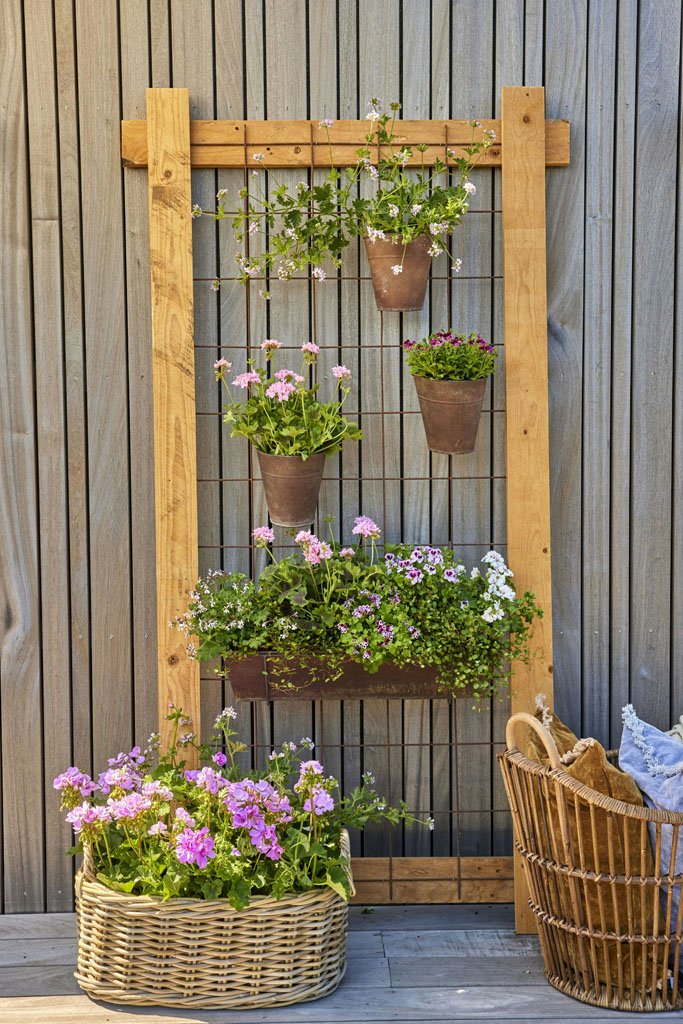
A simple cattle panel arched over a raised bed creates a tunnel trellis that doubles your growing surface without adding a single square foot of ground space. Pocket planters on a fence can hold herbs, lettuce, and strawberries. A repurposed pallet leaned against a sunny wall becomes a vertical garden almost overnight.
Vertical growing also improves airflow around plants which reduces disease pressure and makes harvesting easier. Going up is one of the best gardening hacks for small spaces you will ever use — and it costs almost nothing to start.
Containers Are More Powerful Than You Think
One of the most powerful gardening hacks for small spaces is container gardening, and it gets underestimated. A lot. People assume containers are for windowsill herbs and not much else. But a five-gallon bucket can grow a tomato plant. A half wine barrel can produce enough salad greens to feed a family through spring. A row of fabric grow bags on a concrete patio can yield peppers, eggplant, basil, and beans all season long.
The key to containers is soil quality. Because the volume is small, the soil has to work harder. Fill containers with a rich mix of compost, vermiculite, and a quality potting medium. Skip the straight garden soil — it compacts fast in containers and suffocates roots. Water more frequently than you think necessary and feed with compost tea or a balanced organic fertilizer every few weeks.
One underrated container hack — group pots together. Clustered containers retain moisture better, create a microclimate that benefits all the plants, and look intentional rather than scattered. Plus it makes watering faster.
Important: One thing balcony gardeners must never overlook is weight capacity. Wet soil is significantly heavier than dry, and containers add up fast. Most balconies are rated between 40 and 60 pounds per square foot — check with your building manager before loading up with large raised beds or multiple heavy containers. Lightweight alternatives like fabric grow bags, foam planters, and perlite-heavy soil mixes can dramatically reduce weight without sacrificing yield.
Succession Planting Changes Everything
Most small space gardeners plant once and wait. Succession planting is the hack that turns a modest raised bed into a near-continuous harvest machine. Instead of planting all your lettuce at once, plant a short row every two to three weeks. By the time the first planting is ready to harvest, the second is coming up behind it.
This approach works beautifully with fast-growing crops like radishes, spinach, cilantro, arugula, and green onions. Pull one crop when it finishes and drop the next one in. The bed never sits empty. The soil never goes bare. And you harvest something almost every week rather than drowning in lettuce for two weeks and then having nothing for six.
Succession planting is one of those gardening hacks for small spaces that feels almost too simple to be this effective. And yet most gardeners never do it consistently.
Companion Planting — Let Plants Work Together
Small spaces cannot afford wasted plants. Companion planting pairs crops that benefit each other so every inch of soil is working double duty. The classic example is the Three Sisters — corn, beans, and squash grown together. The corn provides a trellis for the beans. The beans fix nitrogen for the corn and squash. The squash shades the soil, retaining moisture and suppressing weeds. Three plants. One small space. A complete system.
Basil planted near tomatoes is said to improve flavor and repel certain pests. Marigolds at the edge of a bed deter nematodes and attract pollinators. Nasturtiums act as trap crops, drawing aphids away from vegetables. None of this requires extra space. It just requires intentional planting.
For a deeper look at companion planting combinations that actually work, The Old Farmer’s Almanac has one of the most comprehensive companion planting guides available online.
Choose the Right Varieties for Small Spaces
Not all plants are created equal when space is limited. Full-size indeterminate tomatoes can reach eight feet tall and sprawl in every direction. Bush varieties stay compact and produce well in containers or small beds. Patio tomatoes were literally bred for small space growing.
Look for words like dwarf, bush, compact, or patio on seed packets. Miniature varieties of cucumbers, peppers, eggplant, and even pumpkins exist and produce surprisingly well in tight quarters. Choosing the right variety from the start is one of the most underused gardening hacks for small spaces — and it saves a lot of frustration mid-season when a plant outgrows its spot.
Burpee Seeds and Johnny’s Selected Seeds both have excellent small space and container variety collections worth exploring before you order for the season.
Build Living Soil and Let It Do the Work
Here is something the big gardening accounts do not talk about enough. In a small space, soil quality matters more than anywhere else. When you have less ground to work with, every square foot needs to produce. And the only way to get consistent, high-yield production from a small space is to invest in living soil.
Living soil is not just dirt with fertilizer added. Living soil is full of microorganisms, fungi, earthworms, and organic matter that work together to feed plants naturally. Add compost every season. Mulch heavily to protect the surface and retain moisture. Avoid synthetic fertilizers that disrupt soil biology. Practice no-till methods so fungal networks stay intact.
Gardening hacks for small spaces built on living soil produce more food, require less water, and fight off pests and disease better than chemically dependent gardens many times their size. The soil is the foundation. Everything else is just technique.
Use Every Microclimate You Have
A small space used strategically outperforms a large space used carelessly every single time. Understanding your microclimates is one of the most overlooked gardening hacks for small spaces. A south-facing wall absorbs heat and radiates it back at night, extending the season for heat-loving crops. A shaded corner that never gets full sun is perfect for lettuce, spinach, and herbs that bolt in heat. A spot near an air conditioning unit that stays consistently warm can be used to start seeds earlier than the rest of the garden.
Walk your space at different times of day and notice where the sun hits, where shade falls, and where heat collects. Match plants to those conditions rather than fighting them. A small space used strategically outperforms a large space used carelessly every single time.
Start Small, Grow Intentionally
The best advice for anyone new to small space growing is to resist the urge to do everything at once. Start with two or three crops you actually eat. Learn what works in your specific conditions. Build your soil. Master succession planting in one bed before expanding to three. Small, intentional gardens consistently outperform ambitious ones that spread too thin too fast.
Gardening hacks for small spaces are really just good gardening habits applied with more intention and less room for error. Go vertical. Build living soil. Choose the right varieties. Plant in succession. Work with your microclimates. Let companion plants earn their keep.
Small spaces do not limit what you can grow. They just ask you to grow smarter. And that, it turns out, makes you a better gardener than a big backyard ever could.
For more regenerative growing ideas, guides, and inspiration visit soulsoil.earth — where small choices in the garden lead to big changes in the world beneath your feet.