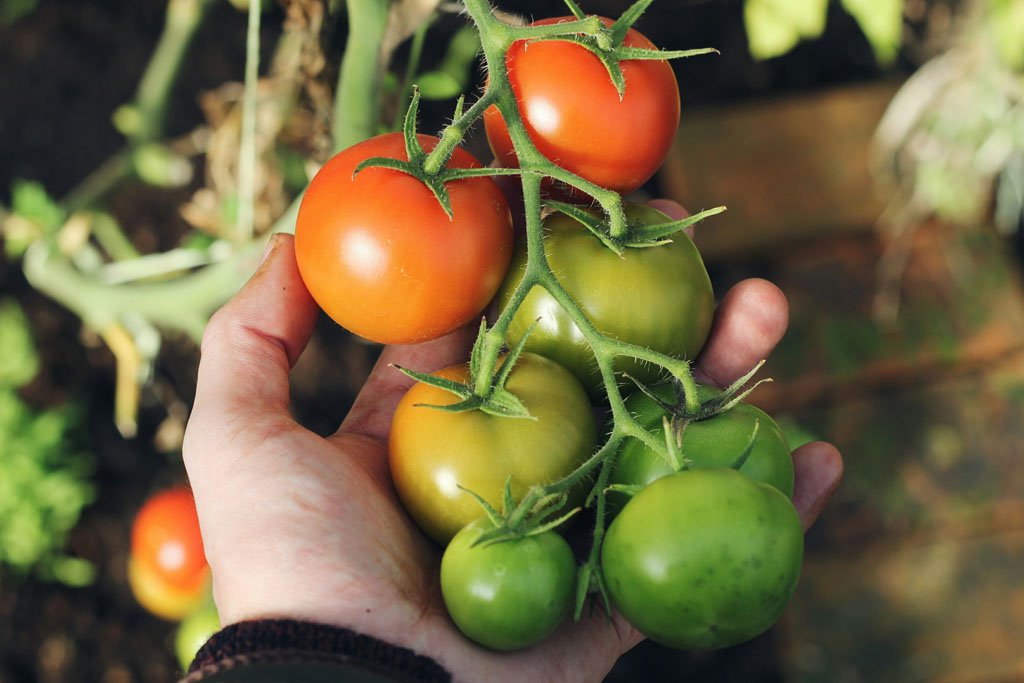
My neighbor once asked why I bother growing tomatoes when the grocery store sells them for two dollars a pound. Standing in my garden with dirt under my fingernails and a sunburn creeping across my neck, I didn’t have a snappy answer. But I thought about it for weeks afterward, and somewhere between the second and third harvest, the answer showed up on its own. Cultivating over consuming isn’t really about tomatoes. Growing something instead of just grabbing it off a shelf changes who you become slowly, one season at a time.
Consider what that trade actually looks like in practice. A grocery store tomato asks nothing of you except money and a five-minute drive. A homegrown tomato asks for patience, attention and a willingness to fail a few times before you get it right. Somewhere between those two extremes lives a whole philosophy about how we choose to live, and honestly, most of us default to the easier option without ever thinking twice about it. Call it what you want, but cultivating over consuming has quietly become the theme running through this entire piece, and probably through a lot of backyard conversations happening across the country right now too.
Somewhere Along the Way, We Stopped Growing
Two hundred and fifty years ago, almost everyone farmed. Nine out of ten Americans worked the land in some capacity, whether that meant a family plot or acres of wheat. Fast forward to today and fewer than two percent of us grow anything for a living. Convenience won. Grocery delivery apps, fast food drive-thrus and 24-hour supermarkets made growing your own food feel almost quaint, like churning butter or writing letters by hand. Here’s the thing though. Somewhere in that trade, we lost more than calluses. Food used to be something you waited for. You planted, you watched, you worried about frost and eventually you harvested. Now food shows up in a bag, already washed, already cut, already stripped of the story behind it. Consuming replaced cultivating almost entirely, and honestly, most of us barely noticed. Grandparents who lived through the Depression era knew how to can vegetables, save seeds and stretch a harvest through winter. That knowledge skipped a generation or two in a lot of families, mine included. My own grandmother kept a root cellar stocked with jars of pickled beans well into her eighties, and I used to think it was old-fashioned. Now I think she understood something the rest of us forgot; growing your own food isn’t a hobby, it’s a form of quiet independence.
The Soil Connection Nobody Talks About
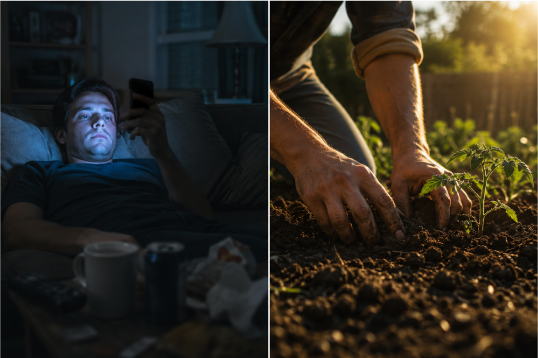
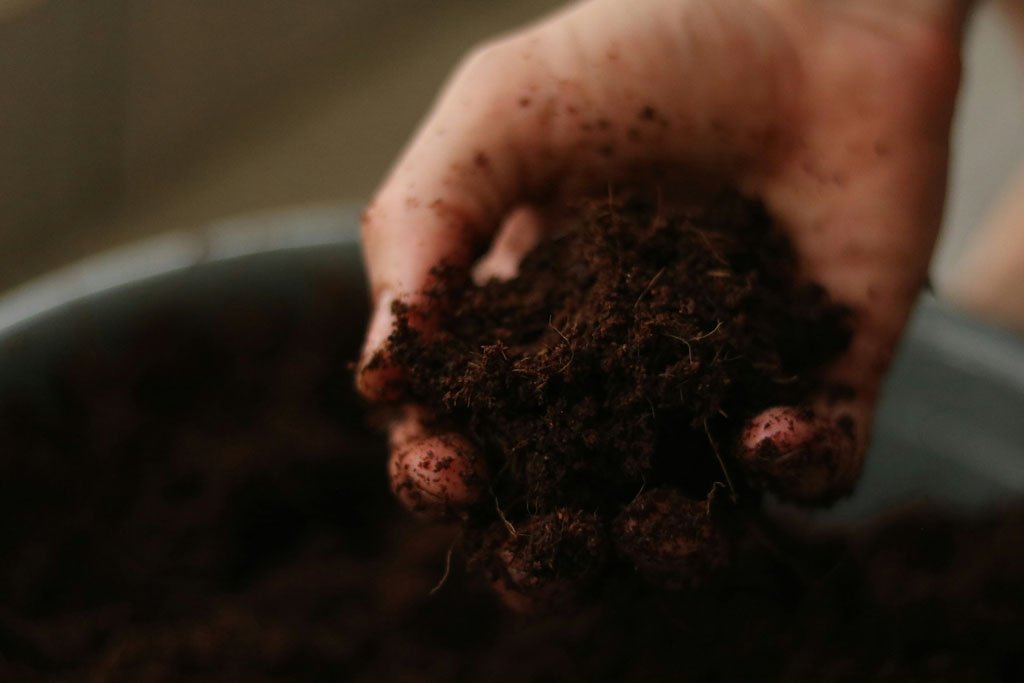
Researchers at the University of Colorado Boulder have spent years studying a soil bacterium called Mycobacterium vaccae, and what they found is honestly kind of wild. Exposure to this bacterium appears to trigger serotonin release in the brain, similar to what antidepressants do. Digging in dirt, quite literally, might make you happier. You can read more about that research in CU Boulder’s coverage of the study, and it’s worth a read if you’ve ever wondered why an afternoon in the garden leaves you feeling happier when compared to an afternoon scrolling on your phone. Nobody plans their week around soil bacteria, obviously. Still, there’s something worth sitting with here. A culture built entirely around consuming skips right past this kind of quiet, physical reward. Cultivating over consuming brings it back, one muddy glove at a time. Ask any longtime gardener and they’ll tell you the same thing in different words. Kneeling in a garden bed does something a grocery run will never do. Stress fades a little, thoughts slow down and the constant mental noise of daily life quiets for an hour or two. Science backs this up now, but gardeners have known it instinctively for generations without needing a peer-reviewed study to prove it.
Small Steps Count More Than Perfect Ones
You don’t need a farm. You don’t even need a backyard. A pot of basil on a windowsill counts. A single raised bed with a few tomato plants and some peppers counts. Beginners often overcomplicate this part, assuming they need acreage and expertise before they’re allowed to start. Garden.org’s beginner guide breaks vegetable gardening down into approachable steps, and it’s a solid place to start if the whole idea feels overwhelming. You can check out their Vegetable Gardening 101 guide for the basics on sun, soil and spacing. Skills work the same way seeds do. Give something time, water it with actual effort and eventually it grows into competence. Relationships work the same way too. Nothing worth having gets built in a single afternoon. Failure is part of the deal, and that’s worth saying out loud since nobody likes admitting it. My first attempt at growing lettuce bolted within two weeks because I planted it during a heatwave without checking the calendar first. Embarrassing, sure, but also useful. Cultivating over consuming means accepting a few flops along the way, since perfection was never really the point to begin with.
What Consuming Costs Us That We Don’t Talk About
Depression rates have climbed for decades, and researchers keep circling back to how disconnected modern life has become from soil, sunlight and slow, physical effort. Nanoplastics have turned up in human blood, a strange and unsettling byproduct of a food system built for shelf life instead of nutrition. None of this means buying groceries is evil. Grocery stores exist for good reasons, and nobody’s expected to grow their own wheat or press their own olive oil. Balance matters more than purity. Choosing cultivating over consuming even occasionally, even imperfectly, builds a kind of resilience that pure consumption never will. The failures teach as much as the harvests do, maybe more. Public health researchers have started connecting these dots more directly in recent years, linking green space access and hands-on gardening to lower rates of anxiety and better overall wellbeing. None of that surprises anyone who has actually spent a season tending a garden bed. Dirt under your fingernails turns out to be cheaper than therapy and considerably more likely to produce zucchini.
A Habit That Spreads Past the Garden Bed
Something interesting happens once you start growing even a little of your own food. Cooking from scratch starts feeling normal instead of like a chore. Waste drops because you actually notice when a tomato is about to go bad. Attention shifts too, toward where the rest of your food actually comes from and who grew it. Neighbors start swapping seeds. Extra zucchini ends up on porches instead of in the trash. A single backyard garden, multiplied across a street or a town, starts looking less like a hobby and more like a quiet form of community resilience. Cultivating over consuming, at that scale, stops being a personal choice and becomes something closer to a shared value. Kids notice too, which might be the most underrated part of this whole equation. A child who helps plant carrots in April and pulls them out of the ground in July learns something a cereal box never quite manages to teach. Food comes from somewhere. Effort produces results, eventually, if you stick with it long enough. Those lessons stick around long after the carrots get eaten.
Why This Still Matters, Even Now
Growing something doesn’t fix everything. A tomato plant won’t undo 250 years of change, and nobody’s claiming otherwise. Still, there’s real value in remembering what it feels like to build something with your own two hands instead of simply purchasing the finished result. Convenience isn’t the enemy, but convenience without any counterbalance leaves something missing. Cultivating over consuming asks for something modern life rarely rewards, which is patience without an instant payoff. Seeds don’t sprout on demand. Tomatoes ripen when they’re ready. Learning to sit with that kind of delayed gratification, even in a small backyard bed, teaches a version of patience that spills over into everything else. Choosing cultivating over consuming, even in small, imperfect ways, keeps that counterbalance alive. Plant something this season, even if it’s just one pot on a windowsill. Watch it grow, and notice how differently that tomato tastes when you’re the one who grew it. For more tips on getting started, check out the growing guides at SoulSoil.