
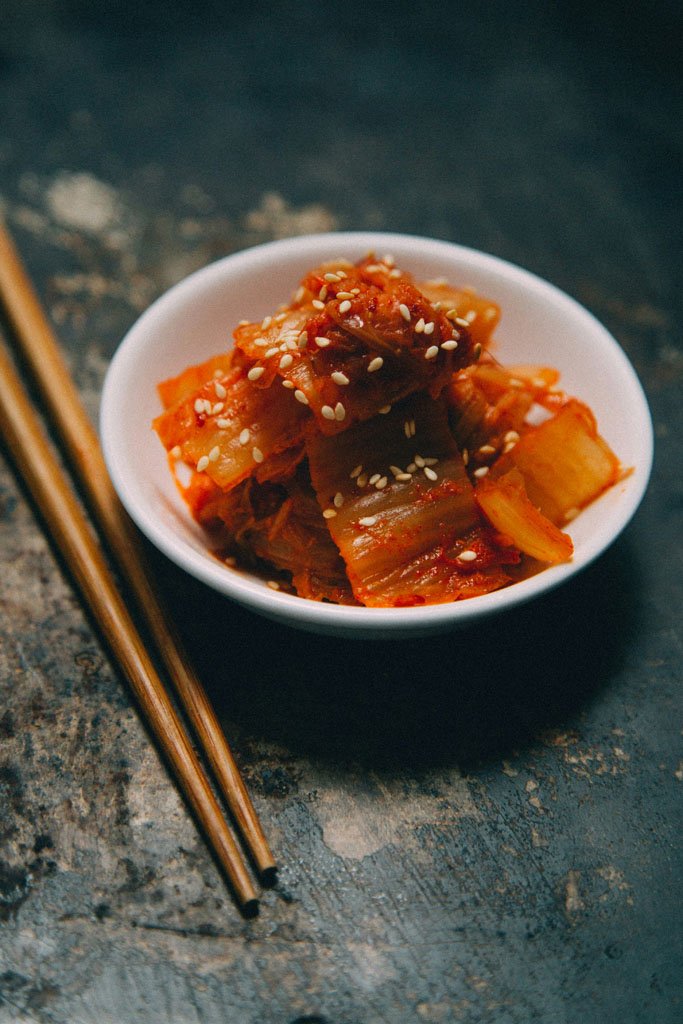
A closer look at whether kimchi can remove nanoplastics
Nanoplastics are everywhere now, in drinking water, seafood, produce, even the air. They’re small enough (under 1 micrometer) to slip through the intestinal wall and end up circulating in the body, with research showing they can accumulate in the kidneys, liver, and even the brain. Naturally, when a study came out suggesting kimchi could remove nanoplastics from the gut, it got attention fast, and searches for “kimchi remove nanoplastics” spiked soon after. But the real findings are more specific, and more interesting, than the headlines suggest.
What the Study Actually Found
Researchers at the World Institute of Kimchi (WiKim) in South Korea, led by Dr. Se Hee Lee and Dr. Tae Woong Whon, tested two lactic acid bacteria strains isolated from kimchi against polystyrene nanoplastics. One strain in particular stood out: Leuconostoc mesenteroides CBA3656, the bacterium behind the idea that kimchi can remove nanoplastics before they’re absorbed. This single strain is the entire basis for every kimchi remove nanoplastics headline that followed.
Here’s the important distinction: this bacterium doesn’t pull nanoplastics out of your bloodstream. What it does is bind to nanoplastic particles in the intestine through a process called biosorption, essentially catching them like a hook before they can cross the gut wall in the first place. In lab conditions, the strain showed an 87% adsorption efficiency. Under simulated human intestinal conditions, that dropped to 57%, but it still significantly outperformed the comparison strain, which fell to just 3% under the same conditions.
The researchers then tested this in germ-free mice. Mice given the CBA3656 strain excreted more than twice the nanoplastics in their feces compared to mice that didn’t receive it, direct evidence that kimchi bacteria can remove nanoplastics in a living gut, not just a test tube. This mouse data is currently the strongest evidence available that kimchi can remove nanoplastics under real digestive conditions, rather than just in a petri dish.
Can Kimchi Remove Nanoplastics Completely?
No. Even under ideal lab conditions, the strain never reached 100% adsorption, and that number dropped further under realistic gut conditions. The honest way to think about it: kimchi may help remove nanoplastics before they’re absorbed, not all of them. It’s a reduction tool, not a filter that clears everything. Anyone hoping kimchi can remove nanoplastics entirely from the body in one sitting is going to be disappointed, this is a gradual, partial effect studied under lab conditions, not an instant fix. The claim that kimchi will remove nanoplastics completely simply isn’t supported by any data published so far.
What This Means (and Doesn’t Mean) For You
This is genuinely promising early research into whether kimchi can remove nanoplastics, but a few things are worth being upfront about:
- It’s a mouse study, not a human trial. The excretion results come from germ-free mice, not people. That’s a meaningful gap between “this works in a controlled lab environment” and “eating kimchi will measurably remove nanoplastics from your body.”
- It reduces absorption, it doesn’t reverse existing exposure. The mechanism is preventative, binding plastic particles in the gut before they enter circulation, not a way to clear nanoplastics already lodged in your organs. This is the single most misunderstood point in the kimchi remove nanoplastics conversation online.
- The strain matters, and it’s specific. Not every lactic acid bacterium performed this well. CBA3656 outperformed a comparable strain particularly under intestinal conditions, which is the more clinically relevant test.
Both strains tested are already classified as safe for human consumption by the FDA (Generally Recognized as Safe) and the European Food Safety Authority, so there’s no safety concern with eating kimchi that naturally contains Leuconostoc. The open question is really whether kimchi can remove nanoplastics reliably in real human digestion, which hasn’t been studied yet. Until that research exists, claims that kimchi will remove nanoplastics from a person’s body should be treated as promising, not proven.
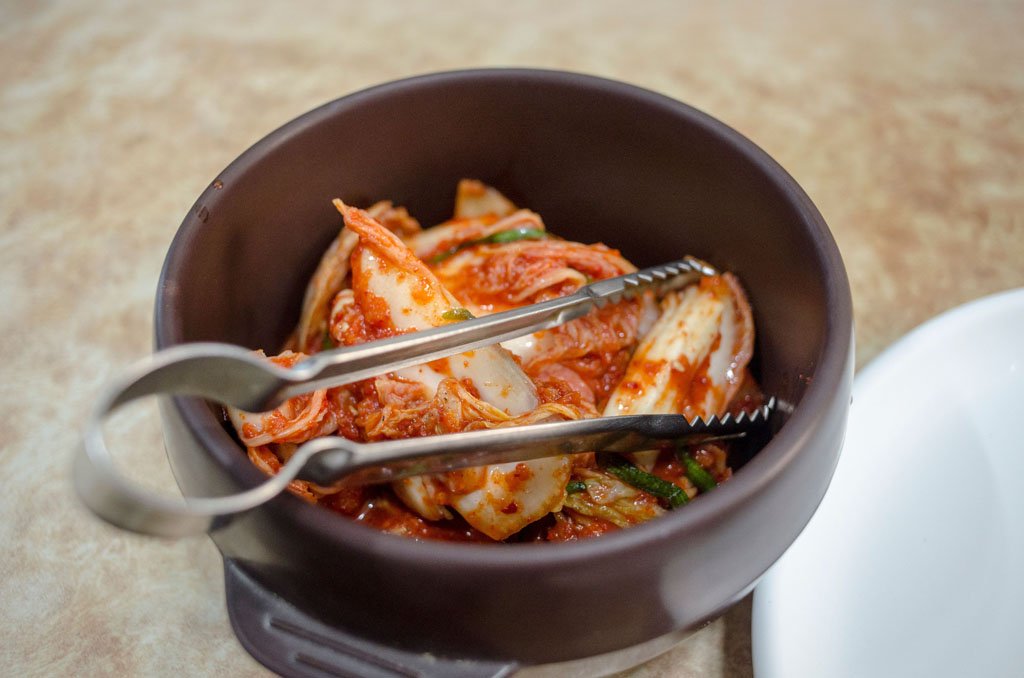
Does Kimchi Remove Nanoplastics From Everyone the Same Way?
Not necessarily. The research so far comes from germ-free mice with a controlled gut environment, not the messy, varied microbiome each person actually has. Whether kimchi can remove nanoplastics effectively in a real human gut likely depends on existing gut bacteria, diet, and how much of the active strain is present in whatever kimchi you’re eating. Someone with a gut already dominated by competing bacteria may see a very different result than the germ-free mice in the study, which is exactly why researchers are careful to call this an early finding rather than a confirmed human effect. In practice, this means kimchi could remove nanoplastics more effectively for some people than others, simply based on their existing gut microbiome.
Does Store-Bought Kimchi Actually Contain This Strain?
Here’s the honest answer: no brand has publicly confirmed their kimchi contains the exact research strain, CBA3656. That strain was isolated and studied in a lab setting, not necessarily verified in any specific commercial product. This is the biggest gap between the lab finding that kimchi can remove nanoplastics and a guarantee that any specific jar on a store shelf will do the same.
What we do know from separate microbiology research is that raw, unpasteurized napa cabbage kimchi is naturally rich in Leuconostoc species, especially early in fermentation, the stage most closely linked to the bacteria that may help kimchi remove nanoplastics in the gut. This is really the core of the current kimchi remove nanoplastics discussion: the exact lab strain isn’t confirmed in stores, but its broader bacterial family is. Multiple independent studies confirm this pattern: Leuconostoc dominates the early and middle stages of kimchi fermentation, while more acid-tolerant Lactobacillus-related species take over as the kimchi becomes more sour and mature. So while you can’t guarantee you’re getting the specific CBA3656 strain from a grocery store jar, choosing raw, less-aged kimchi is a reasonable way to maximize your odds of getting a healthy population of Leuconostoc bacteria in general, and by extension, a better shot at whatever gut-level benefit lets kimchi remove nanoplastics the way the lab strain did.
What to Look For When Buying Kimchi
If you’re shopping for kimchi with an eye toward live Leuconostoc content, in other words, kimchi more likely to remove nanoplastics through natural biosorption, here’s what actually matters on the label. None of these label cues guarantee kimchi will remove nanoplastics at the exact rate seen in the lab, but they meaningfully improve the odds compared to a pasteurized, shelf-stable jar:
- Refrigerated, not shelf-stable
- Labeled “raw” or “unpasteurized”
- “Live cultures” stated on the packaging
- Made with napa cabbage (traditional baechu kimchi)
- Less sour / younger kimchi, since Leuconostoc is more dominant early in fermentation before Lactobacillus takes over, the window most relevant to a kimchi remove nanoplastics effect
Brands Worth Considering
A few widely available options that fit the raw, unpasteurized criteria most likely to support a kimchi remove nanoplastics effect. None of these brands have been directly tested, but they check the boxes microbiology research says matter most for a kimchi remove nanoplastics outcome:
- Jongga. A long established Korean brand with a large refrigerated line that’s naturally fermented. One important caveat: Jongga also sells a separate shelf stable pouch line that is pasteurized and heat treated, which kills live cultures. If you’re shopping for probiotic content, make sure you’re buying from their refrigerated section specifically, not the shelf stable pouches.
- Cleveland Kitchen. Raw, unpasteurized, contains live cultures, and widely available in mainstream grocery stores, another reasonable pick for anyone building a kimchi remove nanoplastics routine around easy-to-find products.
- Wildbrine. Organic, raw, and unpasteurized, with live probiotic cultures.
- Mother In Law’s Kimchi. Made using a traditional recipe, refrigerated and naturally fermented.
- Olive My Pickle. Specifically marketed as raw and unpasteurized, and stands out for publishing third party lab verified probiotic counts (14+ billion CFUs per serving across their kimchi line), a detail that matters if you’re hoping kimchi will remove nanoplastics through a genuinely live, active culture.
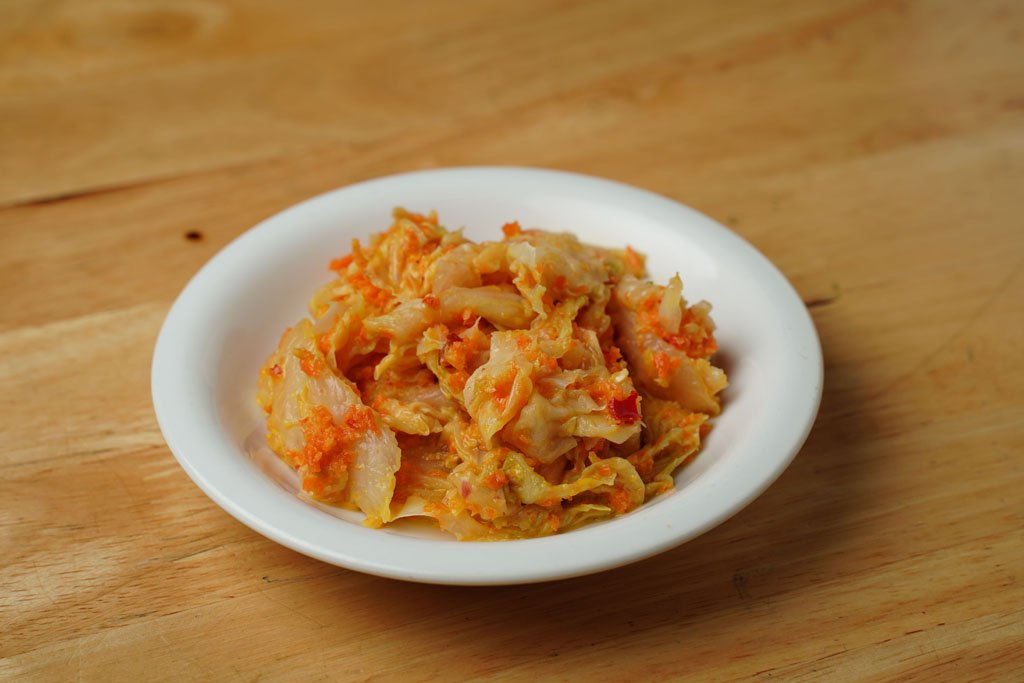
How Much Kimchi Would You Need to Eat?
This is one question the current research simply can’t answer yet. The mouse study used a specific, measured dose of the CBA3656 strain, not an amount translated into “eat this many servings of kimchi.” Until human dosing studies exist, there’s no science-backed answer for how much kimchi someone would need to eat regularly for a meaningful, measurable effect. Eating kimchi regularly as part of a varied diet is a reasonable, low-risk habit regardless, but treating it as a precise dose to remove nanoplastics from your gut isn’t something the current evidence supports. Anyone searching for an exact serving size that will let kimchi remove nanoplastics on a schedule is, at this point, asking a question science hasn’t answered yet.
The Bottom Line
The WiKim research is a legitimate and exciting early finding: a specific kimchi derived bacterium can bind nanoplastics in the gut and increase their excretion, at least in mice. So can kimchi remove nanoplastics from your gut? The early research says yes, at least partially, and at least in mice. Whether kimchi can remove nanoplastics effectively in humans is still an open question, one that will need real clinical trials to answer with any confidence.
It’s not evidence that kimchi is a nanoplastic detox, and no brand can currently claim their product contains the exact strain studied. But choosing raw, unpasteurized, less aged napa cabbage kimchi is a reasonable, low risk way to include a naturally Leuconostoc rich food in your diet, one that may help remove nanoplastics over time, while more human research develops. If the question that brought you here was simply “does kimchi remove nanoplastics,” the fairest answer right now is: partially, in mice, and possibly in people too, once the human studies catch up.
This article is for informational purposes and summarizes early stage scientific research on whether kimchi can remove nanoplastics. It isn’t medical advice. If you have specific health concerns about nanoplastic exposure, talk to a healthcare provider.
Sources:
Peer reviewed microbiology research on Leuconostoc dominance during early stage kimchi fermentation (multiple independent studies)
World Institute of Kimchi (WiKim) research on Leuconostoc mesenteroides CBA3656 and polystyrene nanoplastic biosorption, published in Bioresource Technology
EurekAlert, ScienceDaily, NutraIngredients, and Nutrition Insight coverage of the WiKim study
World Institute of Kimchi research (EurekAlert)
Check out more articles on soulsoil.earth