Growing Onions Overview
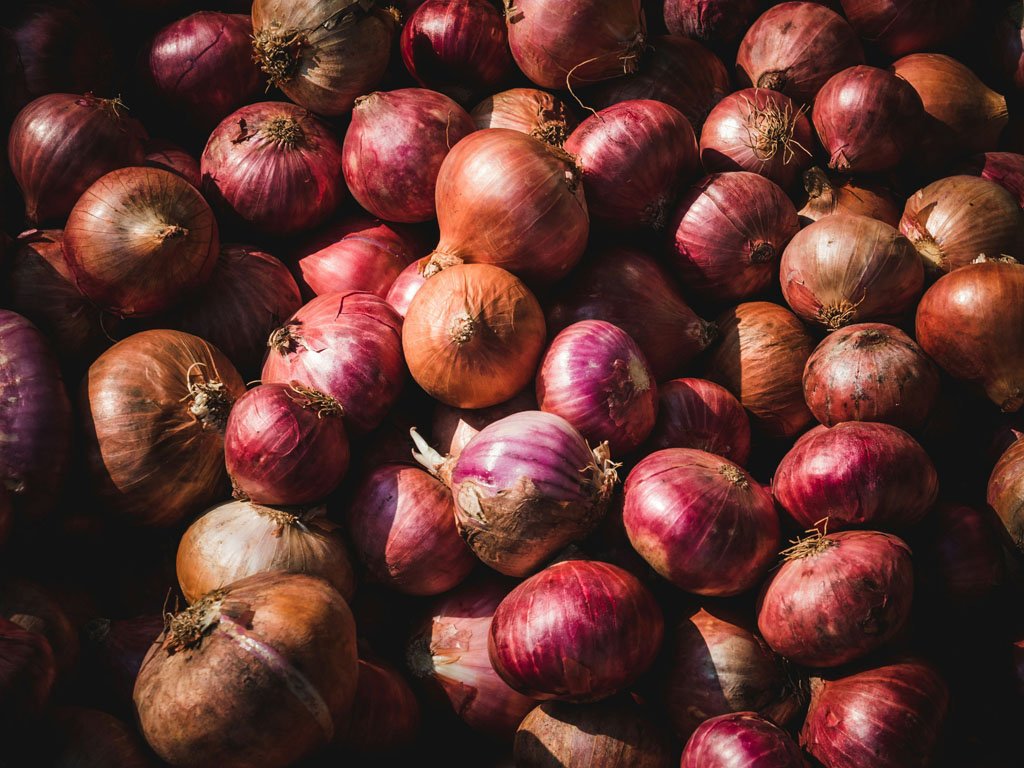
Growing onions successfully starts with understanding your soil and climate. Onions are one of the easiest and most rewarding crops to grow. They require little maintenance, store well for months after harvest, and are a staple ingredient in countless recipes. Whether you’re growing sweet onions, red onions, or storage onions, healthy soil and consistent watering will reward you with an abundant harvest.
Quick Facts about growing onions
- Difficulty: Easy
- Plant Type: Biennial (grown as an annual)
- Sunlight: Full Sun (6–8+ hours daily)
- Days to Harvest: 90–120 days
- Plant Height: 12–24 inches
- Spacing: 4–6 inches
- Soil pH: 6.0–7.0
- Container Friendly: Yes
Choosing a Variety
When growing onions, choose varieties based on your location and day length.
- Short-day onions – Best for southern climates.
- Intermediate-day onions – Good for many central regions.
- Long-day onions – Best for northern climates.
Popular varieties include Walla Walla, Yellow Sweet Spanish, Red Burgundy, Candy, and White Lisbon.
When to Plant
Plant onion sets or transplants in early spring as soon as the soil can be worked. In mild climates, onions can also be planted in the fall for an early summer harvest.
Choosing the Right Location
Onions grow best in full sun with loose, well-drained soil. Avoid areas where water collects after rain.
Soil Preparation
Work several inches of compost into the soil before planting. Onions prefer fertile, loose soil that allows bulbs to expand easily.
Avoid fresh manure, which can encourage excessive leaf growth instead of bulb development.
Planting
Plant onion sets about 1 inch deep with the pointed end facing upward.
- Space plants 4–6 inches apart.
- Leave 12–18 inches between rows.
Do not bury the developing bulb. As it grows, the top of the bulb should remain slightly exposed above the soil.
Watering
Provide about 1 inch of water per week.
Keep the soil evenly moist while bulbs are forming, but reduce watering as harvest approaches to help the bulbs cure properly.
Fertilizing
Feed onions with compost or a balanced organic fertilizer early in the growing season.
Once bulbs begin to enlarge, avoid excessive nitrogen, which encourages leafy growth rather than larger bulbs.
Mulching
Apply a thin layer of straw or shredded leaves around the plants to conserve moisture, suppress weeds, and improve soil health.
Weed Control
Onions compete poorly with weeds because of their shallow root systems.
Keep beds weed-free throughout the growing season by hand-pulling weeds or lightly cultivating around the plants.
Common Problems
- Onion thrips
- Onion maggots
- Downy mildew
- Neck rot
- Poor bulb formation from incorrect day-length varieties
Companion Plants
- Carrots
- Beets
- Lettuce
- Spinach
- Tomatoes
- Cabbage
Avoid planting near: Peas and beans.
Harvesting
Onions are ready to harvest when the tops naturally fall over and begin turning brown.
Lift the bulbs carefully with a garden fork and allow them to cure in a warm, dry, well-ventilated area for 2–3 weeks before trimming the tops and roots.
Storage
Store fully cured onions in a cool, dry, dark place with good airflow. Properly cured storage onions can last several months.
Regenerative Growing Tip
Rotate onions to a different garden bed each year to reduce disease and pest buildup. Adding compost annually helps maintain living soil, improve drainage, and support healthy bulb development.
Final Thoughts
Onions are dependable, productive, and one of the most rewarding crops you can grow. With healthy soil, consistent moisture, and plenty of sunshine, even a first time grower will harvest flavorful bulbs that can be enjoyed fresh or stored for months after the growing season ends. Growing onions is simpler than most people think, and once you start, you will wonder why you waited so long.
Even more curious about growing onions? Head over to garden.org for a deeper dive!
Explore our articles on regenerative techniques at soulsoil.earth!