For generations, gardeners and farmers rarely questioned the practice of tilling. But no-till gardening is changing that. A growing body of research suggests the real question isn’t whether we can till the soil, but whether we should.
Tillage and no-till gardening and farming are two very different ways of working with the land. Both are used to grow food, but they affect the soil in very different ways. Tillage means turning, digging, plowing, or breaking up the soil before planting. No-till means planting into the soil without disturbing it, while keeping plant roots, crop residue, mulch, or cover crops in place as much as possible.
Nature’s Original No-Till System
One of the best examples of no-till farming can be found in nature itself: the forest floor. For thousands of years, forests have built rich, fertile soil without a single plow, tractor, or shovel.
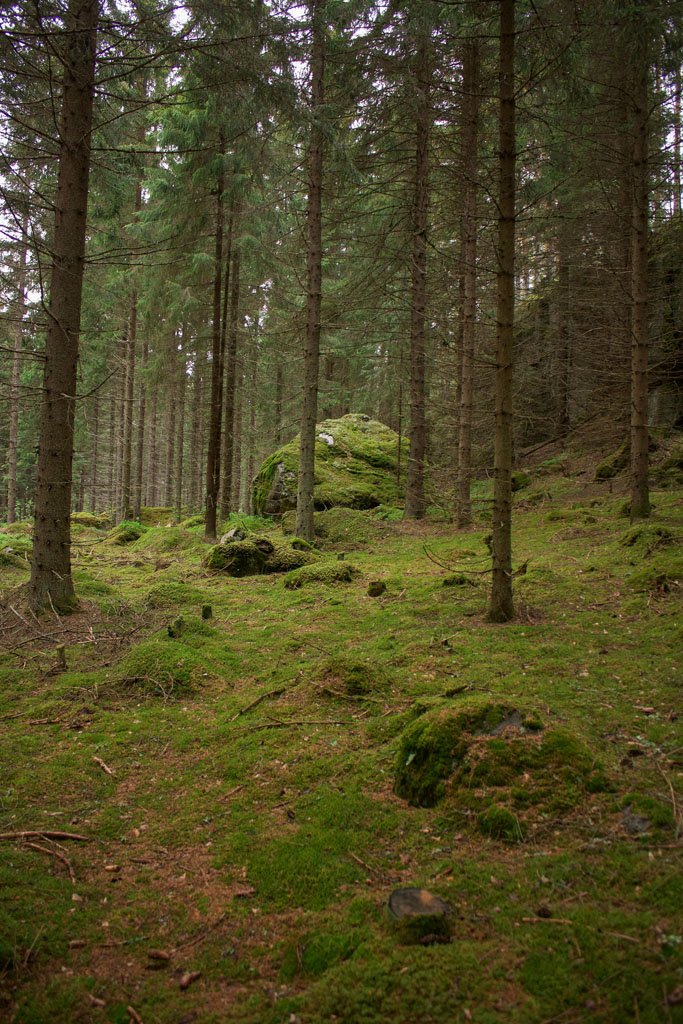
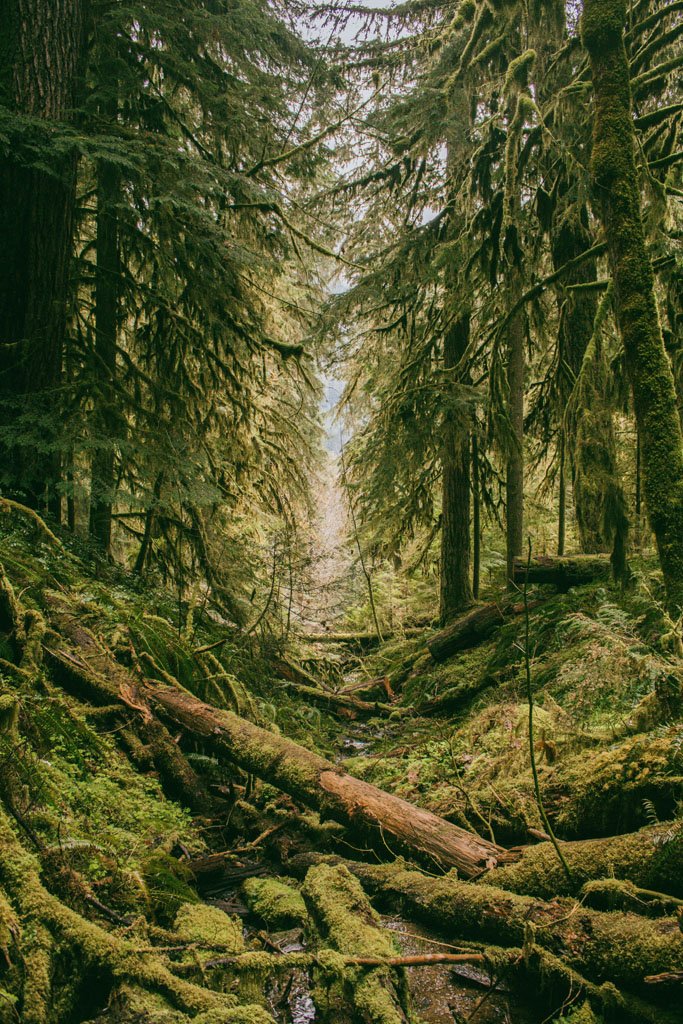
Each year, leaves, twigs, branches, and other organic materials fall to the ground and form a protective layer over the soil. Beneath that layer, earthworms, fungi, insects, and billions of microorganisms go to work breaking down the material and returning nutrients to the ecosystem. Plant roots grow deep into the soil, creating channels for water and air. When roots die, they become food for soil life and contribute organic matter to the ground.
No one tills a forest, yet forest soils are often among the most biologically active and fertile on Earth. The soil remains covered, protected from erosion, and full of life. Water infiltrates easily, organic matter accumulates, carbon is stored underground, and a complex web of organisms works together to sustain the ecosystem.
No-till gardening and farming seeks to imitate these natural processes. Rather than constantly disturbing the soil, no-till systems keep the ground covered with crop residue, mulch, or living plants. The goal is to allow nature’s soil-building mechanisms to function with minimal disruption.
The forest reminds us that healthy soil is not created by frequent disturbance. It is created through protection, diversity, living roots, and time. Nature has been practicing no-till for millions of years, and the results can be seen beneath every thriving forest canopy.
For a long time, tillage was seen as normal farming. A freshly plowed field looked clean, organized, and ready for planting. But over time, farmers, gardeners, and soil scientists began to understand something important: soil is not just dirt. Soil is alive. It is full of microorganisms, fungi, insects, roots, air pockets, organic matter, and water pathways. When soil is disturbed too often, that living system can be damaged.
No-Till Gardening for Your Backyard
Tillage breaks the soil open. In the short term, this can make planting easier. It can bury weeds, loosen compacted ground, and mix in amendments. That is why it became so common. But repeated tillage can create long-term problems beneath the surface.
One major issue is the loss of organic matter. Organic matter comes from decomposed plants, roots, compost, leaves, and soil life. It helps soil hold water, feed microbes, and support healthy plant growth. When soil is tilled, oxygen rushes in and speeds up the breakdown of organic matter. Over time, the soil can become poorer, lighter, drier, and less able to support strong crops.
Tillage can also damage soil aggregates. Soil aggregates are small clumps of soil particles held together by roots, fungi, and organic matter. Good aggregates create spaces for air and water to move. They help soil behave like a sponge instead of a brick. When tillage breaks those aggregates apart, the soil can crust, compact, or wash away more easily.
Water Infiltration and Erosion
Healthy soil lets water soak in. Poor soil lets water run off. This is one of the biggest differences between tilled and no-till systems. Tilled soil may look loose at first, but repeated disturbance can destroy its structure. Rain can hit bare soil directly, causing crusting and runoff. Instead of soaking in, water carries soil particles away.
In a no-till farming system, the soil stays covered by crop residue, mulch, or living plants. This protective layer shields the soil from heavy rain, wind, intense sunlight, and erosion while helping it retain moisture. Crop residue, mulch, and living plants soften the impact of rain. Roots create channels through the soil. Earthworms and microbes help build structure. Over time, water can move down into the soil more easily. This improves water infiltration and helps plants survive dry periods.
What No-Till Does Differently
No-till gardening or farming works with the soil instead of constantly turning it over. The goal is to keep the soil covered, keep living roots in the ground as much as possible, and disturb the soil as little as possible. This allows the underground ecosystem to rebuild itself.
In a no-till system, old plant material is not seen as waste. It becomes armor for the soil. Stems, leaves, straw, roots, and cover crop residue protect the ground from sun, wind, and rain. As that material breaks down, it feeds soil organisms and adds organic matter back into the system.
No-till gardening can also improve carbon sequestration. Plants pull carbon from the air through photosynthesis and send some of it into the soil through their roots. When soil is left undisturbed, more of that carbon can remain stored underground. This is one reason no-till is often discussed in regenerative agriculture.
Soil Fertility
Soil fertility is not only about adding fertilizer. True fertility comes from a functioning soil ecosystem. Microbes, fungi, roots, minerals, water, and organic matter all work together. Tillage can interrupt those relationships. No-till gives them time to develop.
Over time, no-till systems can increase soil fertility by improving organic matter, moisture retention, microbial life, and root health. This does not always happen overnight. Some fields or gardens need a transition period. But with cover crops, compost, mulch, crop rotation, and patience, soil can become more alive and productive.
Is Tillage Always Bad?
Not always. There are times when limited tillage may be useful, especially when starting a new garden, breaking up severe compaction, or dealing with certain weed or soil problems. The issue is not one-time disturbance. The bigger problem is repeated, heavy disturbance year after year.
For gardeners, the lesson is simple: disturb the soil only when necessary. Instead of turning the whole bed every season, try adding compost on top. Use mulch. Keep roots in the soil. Cut plants at the base instead of ripping them out. Let worms, fungi, and microbes do more of the work.
No-Till Gardening
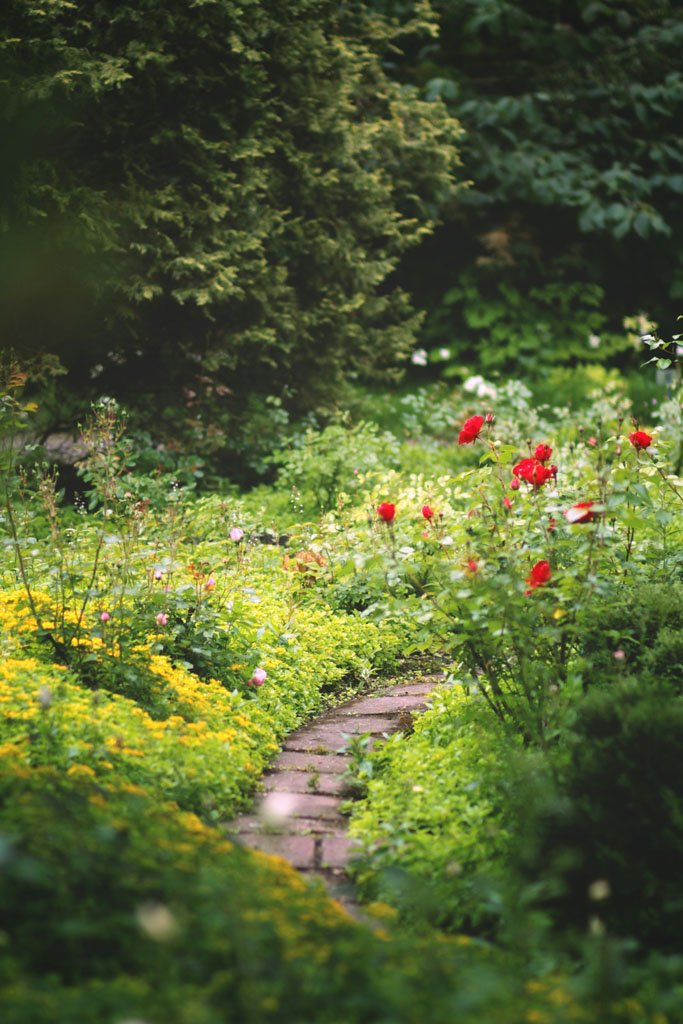
No-till gardening is not just for big farms. Backyard gardeners can use the same principles. A simple no-till garden bed might include cardboard to suppress weeds, compost on top, mulch over the compost, and plants growing through the layers. Each season, more organic material is added from above instead of digging everything in.
This approach can save labor, reduce watering needs, and improve soil life. It also helps people see soil differently. The garden becomes less about forcing plants to grow and more about creating conditions where life can thrive.
The Bigger Picture
No-till gardening and tillage represent two different mindsets. Tillage often treats soil like a material to be managed. No-till treats soil like a living system to be protected. This represents a fundamental shift in how we think about soil.
When organic matter decreases, water infiltration decreases, soil aggregates break down, and soil fertility declines. When soil is protected, covered, and left alive, organic matter can increase, water can soak in, fertility can improve, and carbon can be stored underground.
No-till is not a magic fix by itself. It works best as part of a larger regenerative approach that includes cover crops, diversity, compost, animals where appropriate, crop rotation, and careful observation. But it is one of the clearest ways to begin rebuilding soil health.
Final Thought
The soil beneath our feet is doing more than holding plants upright. It is breathing, storing water, cycling nutrients, feeding microbes, and supporting life. Every time we disturb it, we interrupt that process. Every time we protect it, we give it a chance to heal.
No-till gardening and farming remind us that healthier soil begins with restraint. Sometimes the best thing we can do is disturb less, cover more, and let life return.
Research from the Rodale Institute shows that no-till systems can significantly increase soil carbon over time compared to conventional tillage.
Explore our other articles on regenerative techniques at soulsoil.earth
soulsoil.earth