
The regenerative agriculture mindset is about far more than a collection of farming and gardening practices. People talk about cover crops, compost, no-till gardening, rotational grazing, mulching, and planting diverse species. While these practices are important, they are only part of the story. At its heart, regeneration is a way of thinking. It is a shift in perspective that changes how we see soil, plants, animals, and ourselves.
For generations, much of modern agriculture has been based on control. We till the soil to prepare it. We spray weeds because they compete with our crops. We apply fertilizer because the soil no longer provides enough nutrients. When insects appear, we often reach for pesticides. Each problem is treated as a separate issue requiring a separate solution.
The regenerative agriculture mindset begins with a different question. Instead of asking, “How do I fix this problem?” it asks, “Why did this problem develop in the first place?” That simple change in thinking can completely transform the way we care for the land.
Nature Is the Teacher
Nature has been growing healthy ecosystems for millions of years without synthetic fertilizers, pesticides, or heavy machinery. Forests, prairies, wetlands, and grasslands thrive because every part of the system works together. Nothing exists in isolation.
A forest does not fertilize itself with bags of chemicals. Leaves fall, branches decay, fungi break down organic matter, earthworms mix nutrients into the soil, and microorganisms recycle everything back into forms plants can use. Waste becomes food. Death becomes new life.
The regenerative agriculture mindset asks a simple question: If nature has already solved these problems, what can we learn from it?
Everything Is Connected
One of the most important ideas in the regenerative agriculture mindset is that everything is connected. Healthy plants depend on healthy soil. Healthy soil depends on billions of microorganisms, fungi, insects, earthworms, moisture, and organic matter. Birds depend on insects. Pollinators depend on flowers. People depend on all of them.
When one part of the system suffers, other parts are affected. Likewise, when one part improves, the entire ecosystem becomes stronger. This is why regenerative growers focus on relationships rather than isolated problems.
From Control to Cooperation
Conventional agriculture often focuses on controlling nature. Regenerative agriculture focuses on cooperating with nature. Rather than forcing the land to produce, regenerative growers create conditions that allow life to flourish naturally.
Instead of exposing bare soil, they keep it covered with mulch or living plants. Instead of relying only on fertilizers, they build organic matter. Instead of eliminating every insect, they encourage biodiversity so natural predators help maintain balance.
The goal is not perfection. The goal is resilience.

Changing the Questions
The regenerative agriculture mindset changes the questions we ask.
Instead of asking, “How do I kill these weeds?” we ask, “What are these weeds telling me about my soil?”
Instead of asking, “How much fertilizer should I add?” we ask, “How can I build soil that naturally feeds my plants?”
Instead of asking, “How do I get rid of pests?” we ask, “Why are these pests thriving here?”
By asking better questions, we often discover better solutions.
The Living Soil
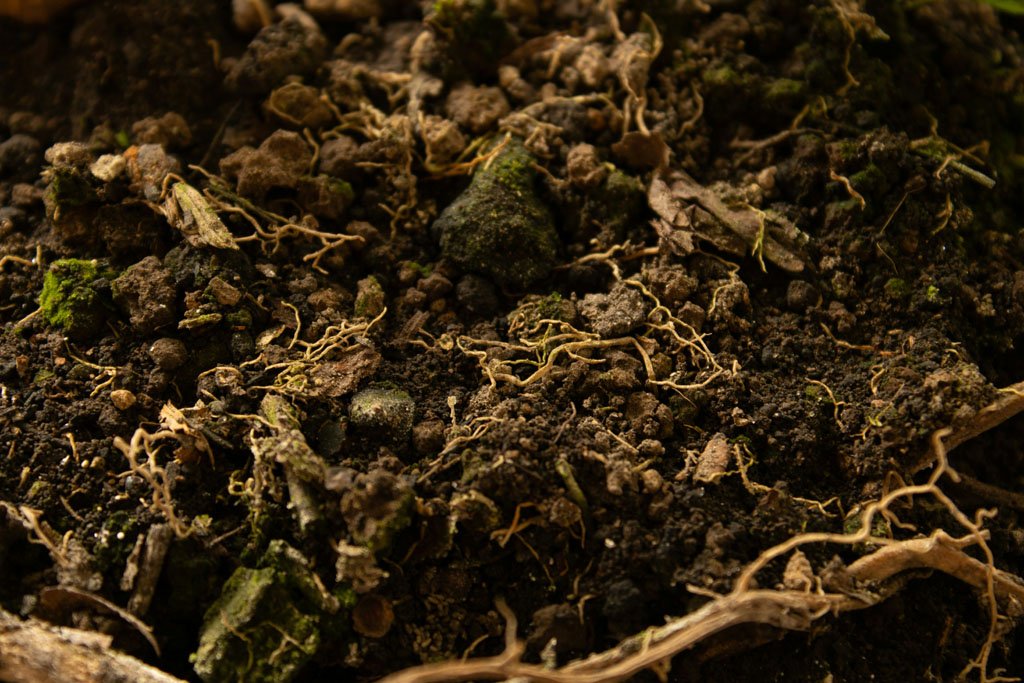
Perhaps the greatest shift in regenerative thinking is recognizing that soil is alive. Healthy soil is home to billions of bacteria, fungi, protozoa, nematodes, insects, earthworms, and countless other organisms. Together they form an incredibly complex underground ecosystem.
These organisms recycle nutrients, build soil structure, improve water infiltration, store carbon, and help plants defend themselves against disease. They are not simply living in the soil—they are creating the soil.
When we protect these living communities, the soil becomes healthier. When we repeatedly disturb them through excessive tillage, chemical overuse, or leaving the ground bare, the system begins to weaken. The Regenerative Agriculture Initiative at CSU Chico defines healthy soil biology as the foundation of any truly regenerative system.
Working With Natural Processes
The regenerative agriculture mindset does not mean doing nothing. It means understanding natural processes and working alongside them.
Compost returns nutrients to the soil. Cover crops protect the surface while feeding soil organisms. Mulch conserves moisture and suppresses weeds. Crop diversity encourages biodiversity both above and below the ground. Each practice supports natural cycles instead of replacing them.
Rather than fighting nature, regenerative growers partner with it.
Thinking Long-Term
Conventional systems often focus on maximizing this year’s harvest. The regenerative agriculture mindset asks a different question: Will the soil be healthier next year than it is today?
Healthy soil is an investment. Every season spent building organic matter, increasing biodiversity, and protecting living organisms strengthens the land for years to come. The benefits may not always appear immediately, but they accumulate over time.
Healthy soil holds more water during droughts, resists erosion during heavy rains, supports stronger plants, and stores more carbon underground.
More Than a Gardening Method
The regenerative agriculture mindset extends far beyond farming and gardening. It reminds us that healthy communities, healthy ecosystems, and healthy people all depend on healthy relationships.
Whether we are growing vegetables in a backyard, managing a farm, restoring a prairie, or planting flowers for pollinators, we become participants in something much larger than ourselves. Every regenerative choice contributes to rebuilding life.

Final Thoughts
Regeneration is not about returning to the past. It is about learning from nature’s timeless wisdom while applying modern knowledge responsibly. It challenges us to see the land not as a machine that needs constant fixing, but as a living ecosystem capable of remarkable resilience.
Nature has spent millions of years perfecting the art of building healthy soil, cycling nutrients, conserving water, and supporting life. The regenerative agriculture mindset simply asks us to slow down, observe, and learn.
When we stop asking how to control nature and begin asking how to work with it, everything changes. We are no longer simply growing plants. We are rebuilding living soil, restoring ecosystems, strengthening communities, and investing in a healthier future for generations to come.
Ready to put the regenerative agriculture mindset into practice? Start with our guide to no-till gardening vs tillage and see how working with your soil changes everything.
Explore more articles at soulsoil.earth
soulsoil.earth