★☆☆☆☆ Difficulty
At a Glance
| Time to Harvest | 50-65 days |
|---|---|
| Sun | Full sun |
| Water | About 1 inch per week |
| Good For | Containers ✓ Raised Beds ✓ In-Ground Gardens ✓ |
Quick Reference
| Sun | Full sun (6-8 hours per day) |
|---|---|
| Spacing | 2-4 inches (bush), 4-6 inches (pole) |
| Planting Depth | 1 inch |
| Days to Harvest | 50-65 days |
| Watering | About 1 inch per week |
| Soil pH | 6.0-7.0 |
| USDA Zones | Zones 2-11 outdoors; zone 1 needs indoor starts and frost protection |
| Average Yield | 1/2-3/4 lb per plant (bush); more for pole varieties |
Before You Plant…
Beans are one of the easiest crops in the garden if you remember three things:
- Skip the heavy fertilizer. Beans make their own nitrogen through root nodules.
- Give pole varieties a trellis. They climb naturally and produce far longer than bush types.
- Pick often and pick young. Tough, stringy pods almost always mean they were left too long.
Growing Timeline
| Week | What You’ll See |
|---|---|
| 1 | Seeds germinate. |
| 3 | True leaves appear; pole types begin vining. |
| 6 | Flowering begins. |
| 7-9 | First pods are ready to harvest. |
Timing varies by variety, weather, and whether you’re growing bush or pole types.
How to Plant Green Beans
Direct seed beans after frost danger has passed and soil has warmed, planting seeds about one inch deep. Space bush varieties 2-4 inches apart and pole varieties 4-6 inches apart at the base of a trellis.
Best Planting Time
| USDA Zone | Best Planting Time |
|---|---|
| 1 | Start indoors in May and transplant with frost protection after the last frost, typically mid-June. |
| 2 | Plant in early-to-mid June once soil has warmed. |
| 3 | Plant late May through June. |
| 4 | Plant late May through June. |
| 5 | Plant late May through June. |
| 6 | Plant mid-May through June. |
| 7 | Plant mid-May through June. |
| 8 | Plant April through May, or again in August. |
| 9 | Plant April through May, or again in August. |
| 10 | Plant February through April, or September through October. |
| 11 | Plant February through April, or September through October. |
Local frost dates and soil temperature matter more than zone alone. Aim for soil above 60°F before planting.
How to Care for Green Beans
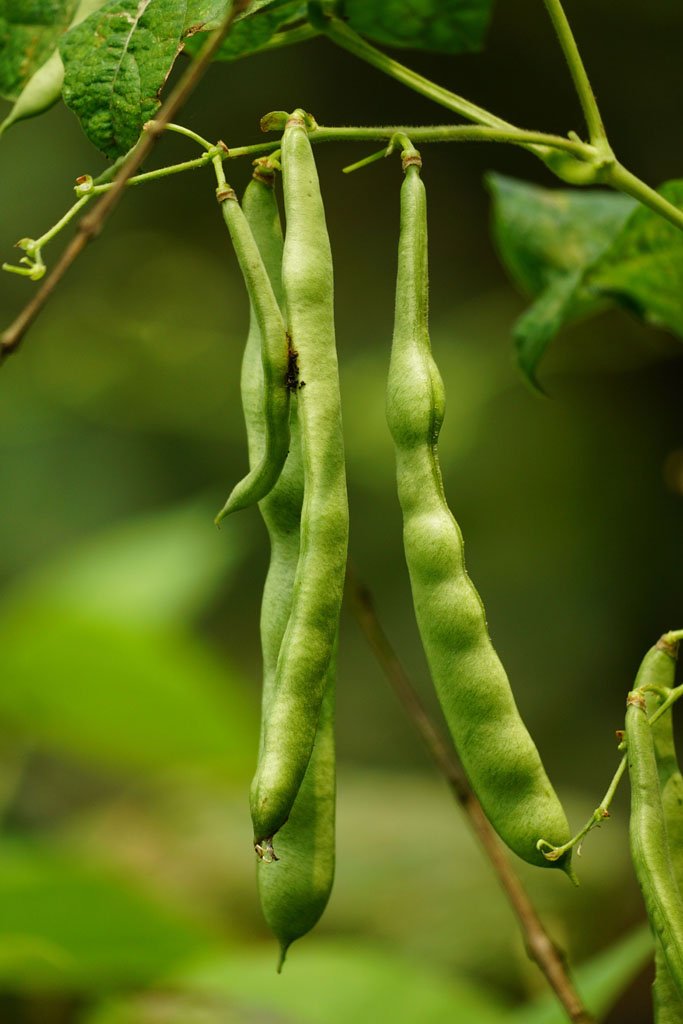
Green beans need warm soil to germinate reliably, ideally above 60°F, and grow best in full sun with well-drained soil. Water regularly, especially once pods begin developing, aiming for about an inch per week during dry stretches.
The University of Minnesota Extension provides detailed guidance on bush versus pole varieties.
Bush vs. Pole Beans
Bush beans grow as compact, self-supporting plants and produce most of their harvest in one concentrated flush over a couple of weeks. Pole beans climb and need a trellis, but produce continuously over a much longer season, often 6-8 weeks or more once they get started.
Companion Planting
Corn, cucumbers, and squash all pair well with beans, with corn stalks doubling as a natural trellis for pole varieties. Avoid planting beans near onions or garlic.
Can You Grow Green Beans in Containers?
Yes. Bush varieties in particular do well in containers at least 12 inches deep with full sun exposure. Pole varieties can also work in large containers with a trellis attached.
Harvesting
Pick snap beans while pods are still slender and before seeds bulge noticeably, usually 50-65 days after planting. Harvest every couple of days during peak season to keep the plant producing.
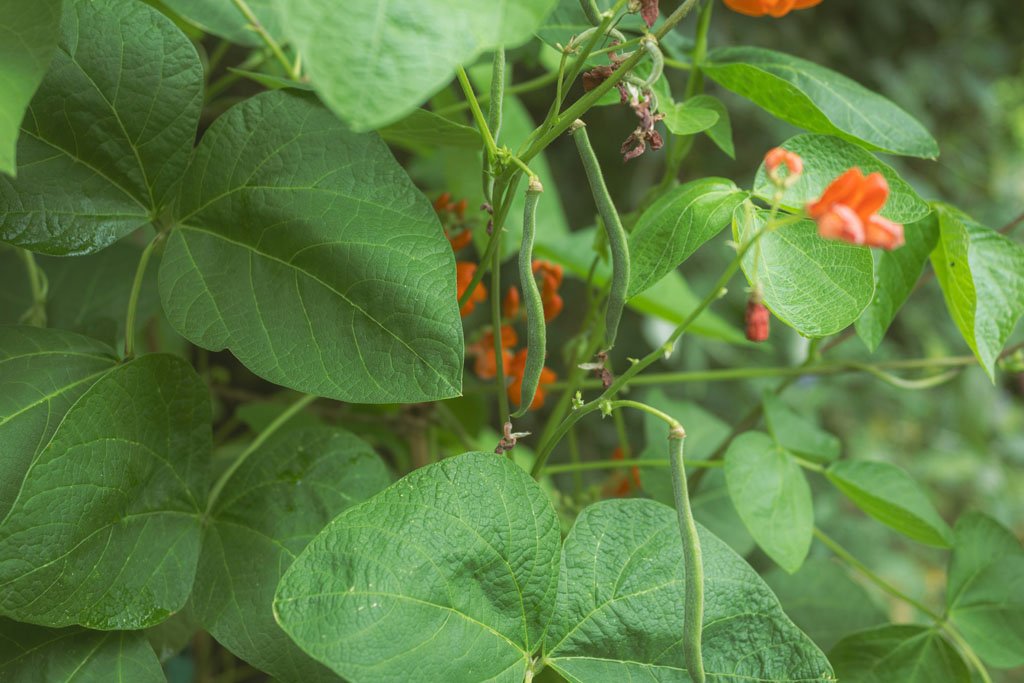
Fresh green beans keep about one week in the refrigerator, stored unwashed in a perforated bag. For longer storage, blanch briefly in boiling water, cool in ice water, and freeze, or can and pickle.
Why Grow Green Beans?
Green beans provide vitamin C, vitamin K, and fiber, along with modest amounts of plant-based protein, all in a low-calorie package with a satisfying crunch. They’re also nitrogen-fixers, meaning they actually improve soil fertility for future crops.
Common Problems
Tough, stringy pods |
Mexican bean beetles |
Bush vs. pole confusion
Mexican Bean Beetles: These, along with aphids, are the most common pests, generally manageable with hand-picking or row covers early in the season.
Tough, Stringy Pods: This almost always means pods were left on the plant too long. Harvest while pods are still slender and snap easily.
Bush vs. Pole Confusion: Bush beans produce one concentrated harvest and need no support; pole beans need a trellis but produce continuously over a much longer season.
Common Beginner Mistakes
- Over-fertilizing with nitrogen, producing leaves instead of pods.
- Letting pods grow too large before picking.
- Skipping a trellis for pole varieties.
- Planting before soil has warmed enough for reliable germination.
FAQs
Q: What’s the difference between bush and pole beans?
A: Bush beans grow compact and produce one large harvest; pole beans climb and produce continuously over a longer season.
Q: Can green beans be grown in containers?
A: Yes, bush varieties do well in containers at least 12 inches deep.
Q: Why are my bean pods tough and stringy?
A: This usually means they were left on the plant too long; harvest while pods are still slender.
Q: Do beans need fertilizer?
A: Minimal amounts, since beans fix their own nitrogen through root nodules.
Q: How long do pole beans keep producing?
A: Often 6-8 weeks or more once they start, much longer than bush varieties.
Best Varieties for Beginners
Best beginner variety: Blue Lake, a reliable bush variety with heavy yields.
Best pole variety: Kentucky Wonder, excellent flavor.
Best cold tolerance: Provider, an early, hardy bush type.
Best color: Royal Burgundy, purple pods that turn green when cooked.
Best for short seasons: Contender, one of the fastest-maturing bush varieties.
Related Vegetables
If you’re planning a summer garden, check out our guides to growing tomatoes and growing cucumbers.