“In a time when people feel disconnected from nature, from their food, and from each other, the act of putting our hands in living soil and growing living food reconnects us to the rhythms of the earth, to our own well-being, and to a sense of regenerative purpose. And perhaps, it reconnects us to our very souls.“
— SoulSoil
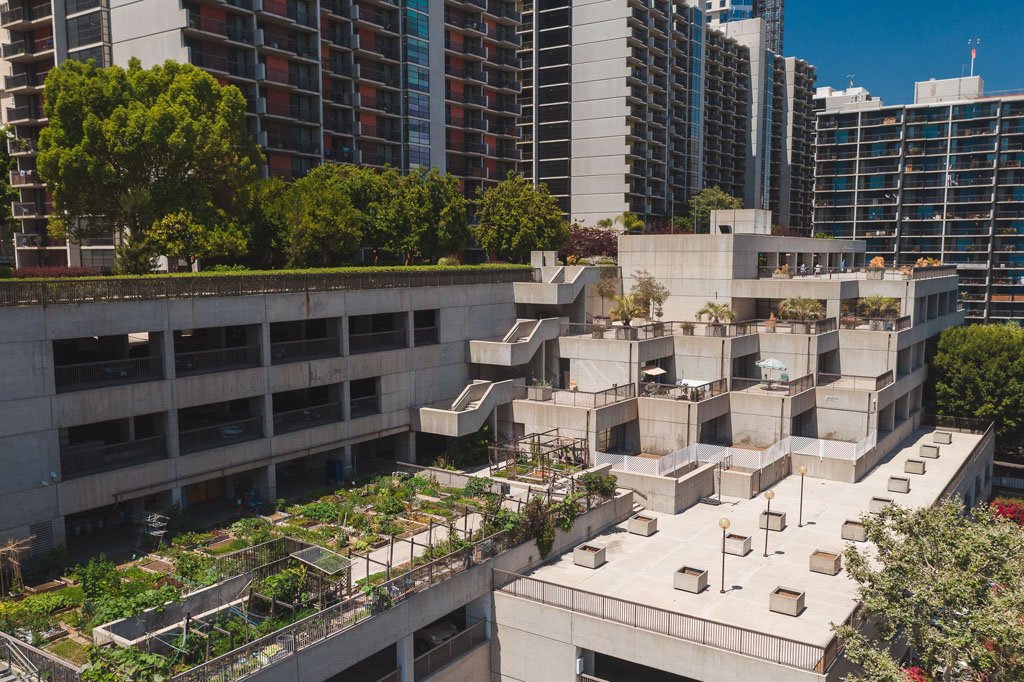
A quiet revolution in urban regenerative gardening is taking place beneath our feet. Not in rolling rural fields or vast prairies, but in backyards, vacant lots, rooftops, and community gardens of cities around the world — led not by corporations, but by ordinary people who have picked up a shovel and decided to reconnect to the earth.
This is the urban soil revolution.
You Don’t Need Acres to Start Urban Regenerative Gardening. You Need Intention.
For too long, regenerative farming has been seen as something that belongs in the countryside. Something for people with land. Something that requires space, equipment, and resources that most city dwellers don’t have. But that assumption is being dismantled, one raised bed at a time.
Urban regenerative gardening is not about tools. It is a way of thinking. It is a way of thinking. It is the understanding that soil is alive. Healthy ecosystems depend on diversity. What we put back into the earth matters as much as what we take out. Those principles apply whether you are managing five hundred acres in Nebraska or a four by eight raised bed on a Brooklyn rooftop.
Urban regenerative growers are proving this every day. They are composting kitchen scraps in small apartments and returning rich organic matter to container gardens on windowsills. They are planting cover crops in vacant city lots to prevent erosion and feed the underground web of fungi and bacteria that make soil alive. They are doing, in miniature, what regenerative farming does at scale, and the results are extraordinary.
The View of Urban Regenerative Gardening
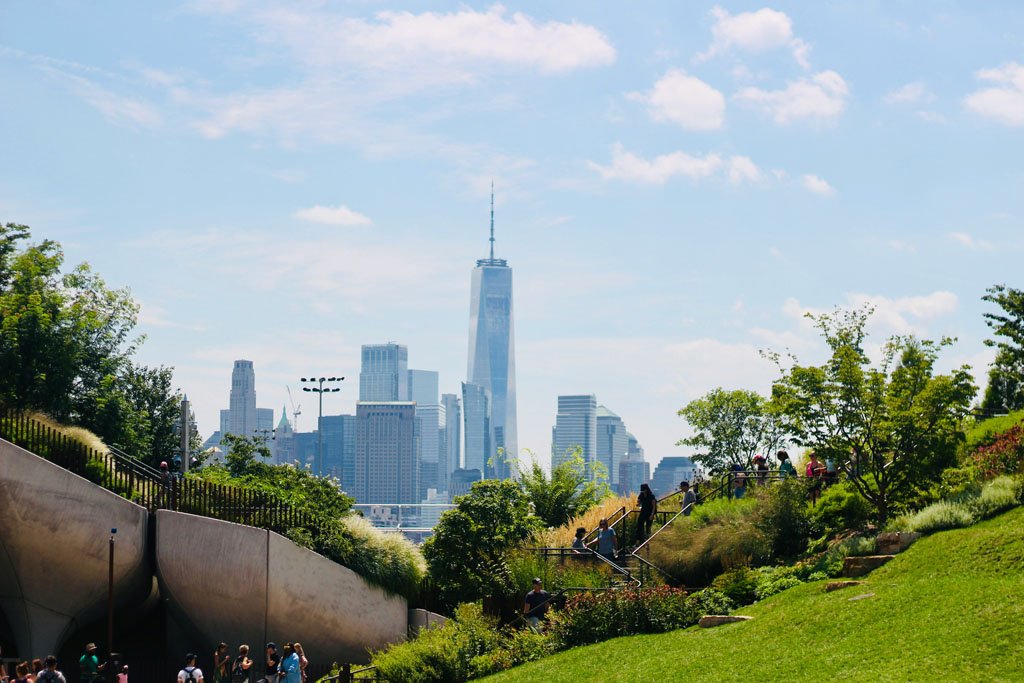
Walk through any major city and you will find urban regenerative gardening happening in the most unexpected places.. A front yard has been converted from a lawn into food forest. Layers of fruit trees, berry bushes, herbs and ground cover grow together in a mutually supportive ecosystem. A community garden in a neighborhood that once had no access to fresh produce is now producing hundreds of pounds of vegetables a season while building healthy regenerated soil at the same time. On rooftops, gardens flourish and living plants thrive atop concrete while rainwater is collected and used to nourish crops instead of being lost down storm drains.
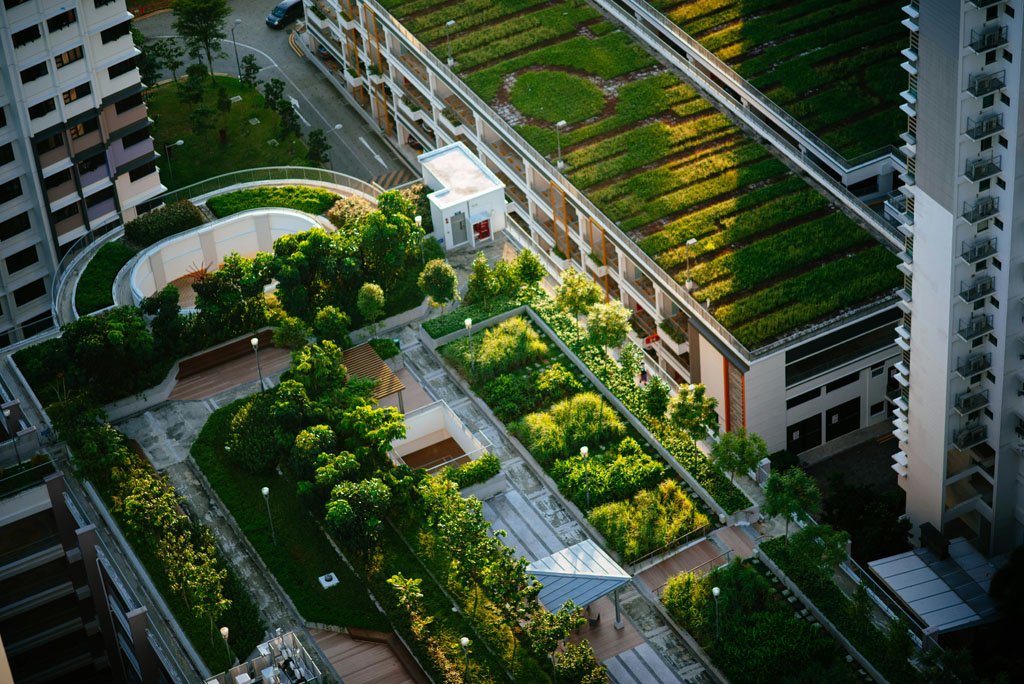
In Detroit, urban growers have transformed thousands of acres of abandoned land into productive growing spaces by rebuilding soil that was depleted from decades of industrial activity. In Los Angeles, community gardens in some of the city’s most densely populated neighborhoods are teaching regenerative principles to children who have never seen a farm. In New York, rooftop growers are supplying local restaurants with fresh greens while demonstrating that even the hardest of urban surfaces can become a growing ecosystem. Each of these examples shows that urban regenerative gardening works at any scale, in any city.
Soil Health Matters for Urban Regenerative Gardening
Most people understand that soil matters for growing food. Fewer people understand what it means for soil to be truly alive. Healthy soil is a universe. A single teaspoon contains more living organisms than the human population of Earth. Bacteria, fungi, nematodes, protozoa and worms work together in a complex web of relationships that breaks down organic matter, cycles nutrients, retains water and feeds plants from the roots up. When soil is a living universe, plants are stronger, more resistant to disease, more nutritious and more resilient to drought and flood.
Urban soils are often stripped of life. Years of compaction from foot traffic and construction work have left the soil lifeless. Regenerative urban growers work to reverse lifeless soil. They add compost to feed the soil biology. They mulch heavily to protect the soil surface and retain moisture. They avoid digging and tilling as much as possible which allows the undisturbed ecosystem to develop. They plant diverse crops together so that different root systems occupy different layers of the soil and different plant families support different communities of microorganisms. Over time, the soil comes back to life. When the soil comes back to life, it reminds us that with patience and care, we can also find our way back to wholeness and renewal.
The Community at the Center
One of the most powerful things about urban regenerative growing is that it does not happen in isolation. It happens in communities. A front yard food garden becomes a conversation starter. A neighbor stops to ask about the unusual plant growing by an old wooden fence. A community garden becomes a gathering place where people from different backgrounds work side by side, sharing knowledge across languages and generations. A neighborhood composting program turns food waste into a shared resource and gives people a reason to connect around something that matters.
Regenerative thinking is about relationships. The relationship between plants and living soil. The relationship between humans and the land. The relationship between communities and their food systems. Urban regenerative growers make those relationships visible and tangible in a way that a trip to the grocery store never will. Regenerative growers remind us that we are part of something larger than ourselves.
The Revolution Starts Where You Are
You do not have to wait until you have land. You do not have to move to the country or buy a farm. You do not have to have it all figured out before you dig in.
You can start with a pot on a windowsill and a handful of compost. You can start with a five-gallon bucket on a balcony. You can start with a community garden plot the size of a parking space. You can start with a single decision to pay attention to the soil beneath your feet.
Every person who chooses urban regenerative gardening, no matter how small the space, no matter how small the space, is part of this revolution. Every square foot of living soil created where there was none before is a victory. Every child who learns where food truly comes from is a victory. Every neighbor who learns the importance of composting is a victory. Every rooftop that becomes a regenerative garden is a victory. The urban soil revolution is not waiting for perfect conditions. It is already happening, in cities around the world, in spaces that most people walk past without a second glance. It is happening in backyards and on balconies. In vacant lots and on rooftops. In community gardens and container boxes on front stoops. It is happening wherever someone decides that healing the soil is not someone else’s job, in some other place, at some other time. It is happening right now. And you are invited to be part of it.
Even more curious about urban regenerative gardening? Head over to garden.org for a deeper dive!
Explore our urban regenerative gardening articles and regenerative techniques at soulsoil.earth!
Join the conversation at SoulSoil.Earth. Together we can regenerate soil, grow living food, strengthen our communities, and rediscover the connection between the earth beneath our feet and the soul within us.